





electric pressure cooker rice
With all things rice, it can be a real challenge to get it cooked consistently without sticking, and fluffy.Cooking rice sounds easy, but getting fluffy, non-sticky, and perfectly cooked rice every time can be quite tricky. No matter if you're a jasmine rice enthusiast, basmati or long-grain white rice, there are a few minor details that could result in mushy, undercooked or even burnt rice.
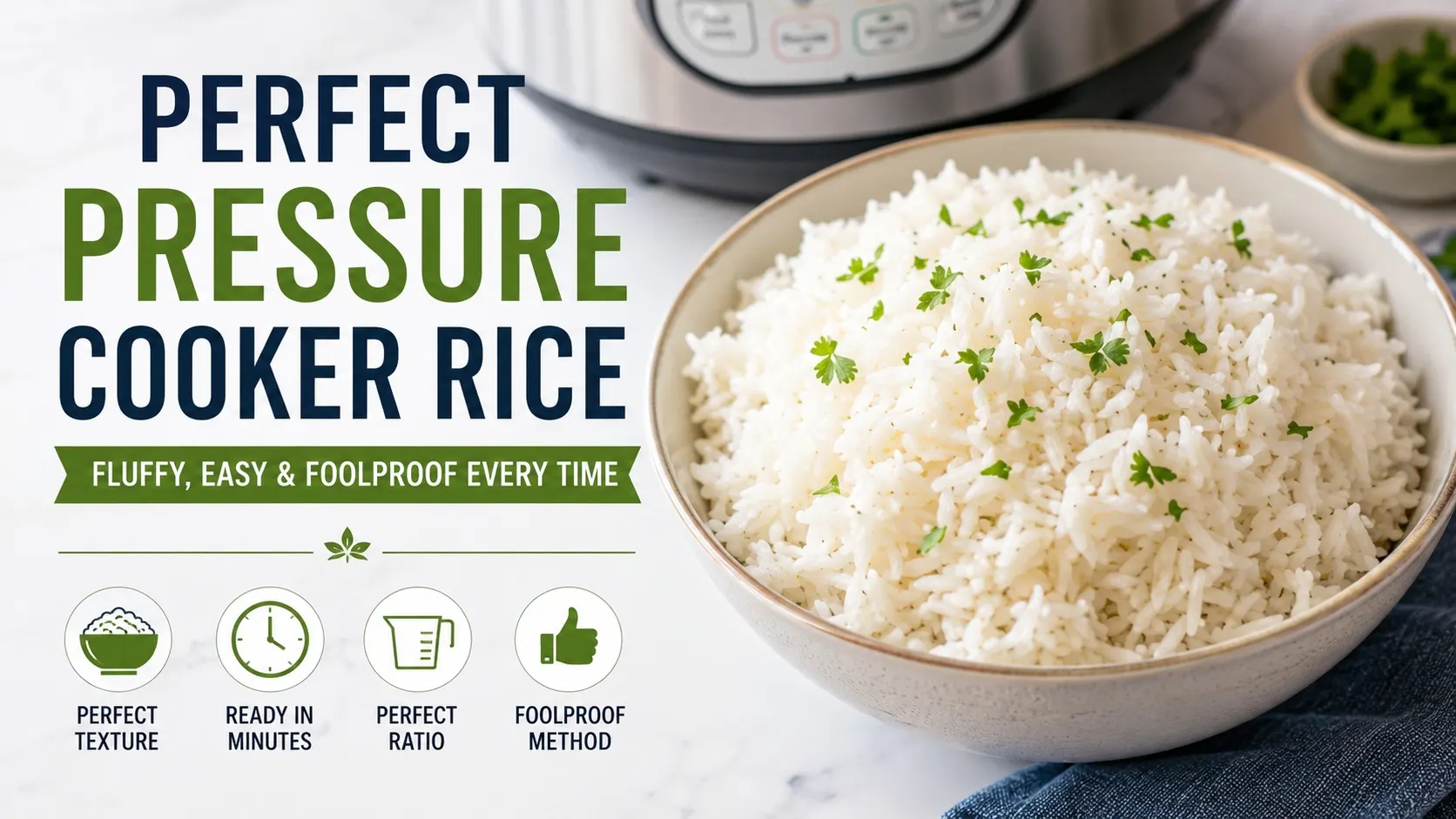
A pressure cooker can address this issue because it works to create a high pressure setting which cooks rice of uniform quality and in a relatively short period of time. You'll discover a foolproof way to cook rice in a pressure cooker with exact water ratios, timing, and pro tips to help you cook perfect rice every time, along with troubleshooting advice.
Why Use a Pressure Cooker for Rice?
Cooking rice in a pressure cooker is one of the most efficient ways to do so, as it holds the steam and keeps the temperature steady. Pressure cooking is stable, unlike the cooking in a stove, where the texture may be changed by evaporation and fluctuation in heat.
Key benefits include:
- Faster cooking time (often under 15 minutes total)
- Consistent texture every time
- Better moisture retention
- Reduced risk of burning or sticking
- Hands-free cooking process
According to scientific cooking data, under sealed pressure conditions, boiling water's temperature rises, helping to evenly gelatinize rice starch for fluffier cooking.
The Golden Rule of Pressure Cooker Rice
The key element of cooking rice is the proper water to rice ratio and combination of time and water.
For most white rice varieties, the standard rule is:
- 1 cup rice : 1 to 1.25 cups water
- Cook time: 3–4 minutes at high pressure
- Natural release: 10 minutes
This method consistently produces fluffy grains that are separate but tender.
Step-by-Step Guide to Perfect Pressure Cooker Rice
Step 1: Rinse the Rice (Highly Recommended)
Rinse off rice under cold water until water is clear. This will take off the excess starch to avoid sticky or clumpy rice.
If this step is omitted, it can result in gummy and heavier textured items.
Step 2: Add Rice and Water to the Cooker
Place rinsed rice into pot of pressure cooker and fill with proper quantity of water.
Optional additions:
- A pinch of salt for flavor
- 1 teaspoon of oil or butter for smoother texture
Step 3: Pressure Cook
Seal the lid and set the cooker to high pressure.
- White rice: 3–4 minutes
- Jasmine rice: 3 minutes
- Basmati rice: 4 minutes
- Brown rice: 18–22 minutes
The cooker will take a few minutes to build pressure before the timer starts.
Step 4: Natural Pressure Release
Once cooked, let the pressure come down on its own for 10 minutes.
This is important because the rice will cook in steam that remains in the pot. Pressure should be released slowly to ensure even cooking or prevent undercooking.
Allow excess pressure to escape after 10 minutes and open the lid slowly.
Step 5: Fluff and Serve
Use a fork to gently fluff the rice. This differentiates the grain and steams out excessive steam, which helps with the texture.
Allow to rest 2-5 minutes for best results.
Water Ratio Guide for Different Types of Rice
Different rice varieties absorb water differently. Here’s a simple guide:
- White rice: 1 : 1 to 1.25 water ratio
- Jasmine rice: 1 : 1
- Basmati rice: 1 : 1.25
- Brown rice: 1 : 1.5
Adjust slightly depending on your preferred texture—less water for firmer rice, more for softer rice.
Common Mistakes to Avoid
Even with a pressure cooker, mistakes can affect results. Avoid these common errors:
1. Too Much Water
Leads to mushy or sticky rice.
2. Too Little Water
Causes dry, undercooked grains.
3. Skipping Natural Release
Results in uneven texture and hard centers.
4. Not Rinsing Rice
Leaves excess starch, making rice sticky.
5. Overfilling the Cooker
Never fill more than halfway when cooking grains.
Pro Tips for Better Pressure Cooker Rice
- Use broth instead of water for added flavor
- Add bay leaves or garlic for aroma
- Let rice rest before serving for better texture
- Always measure rice and water precisely
- Experiment with ratios based on your cooker model
Why Pressure Cooker Rice Is Better Than Traditional Methods
Compared to stovetop cooking, pressure cooking offers:
- Less supervision required
- More consistent heat distribution
- Reduced cooking time
- Lower risk of burning
- Better energy efficiency
Pressure cookers are a great choice for busy homes and first-time users of rice, but stovetop rice can be good too.
Final Thoughts
Perfect rice is not a matter of guess-work, it's a matter of precision. With the proper water to grain ratio, correct pressure time and proper natural release, your pressure cooker will reliably create restaurant-quality, fluffy rice in 15 minutes or less.
After you conquer this technique, you will never have sticky, dry or uneven rice again.
Share:


