





cooking rice in electric pressure cooker
Rice preparation can seem straightforward, but there are so many home cooks who end up with mushy rice, burnt bottom, and/or unevenly cooked grains. Fortunately, there is a pressure cooker that makes the process quicker, easier and more reproducible. You can get fluffy, restaurant-style rice every time in the Instant Pot, Ninja Foodi or on the stovetop pressure cooker.
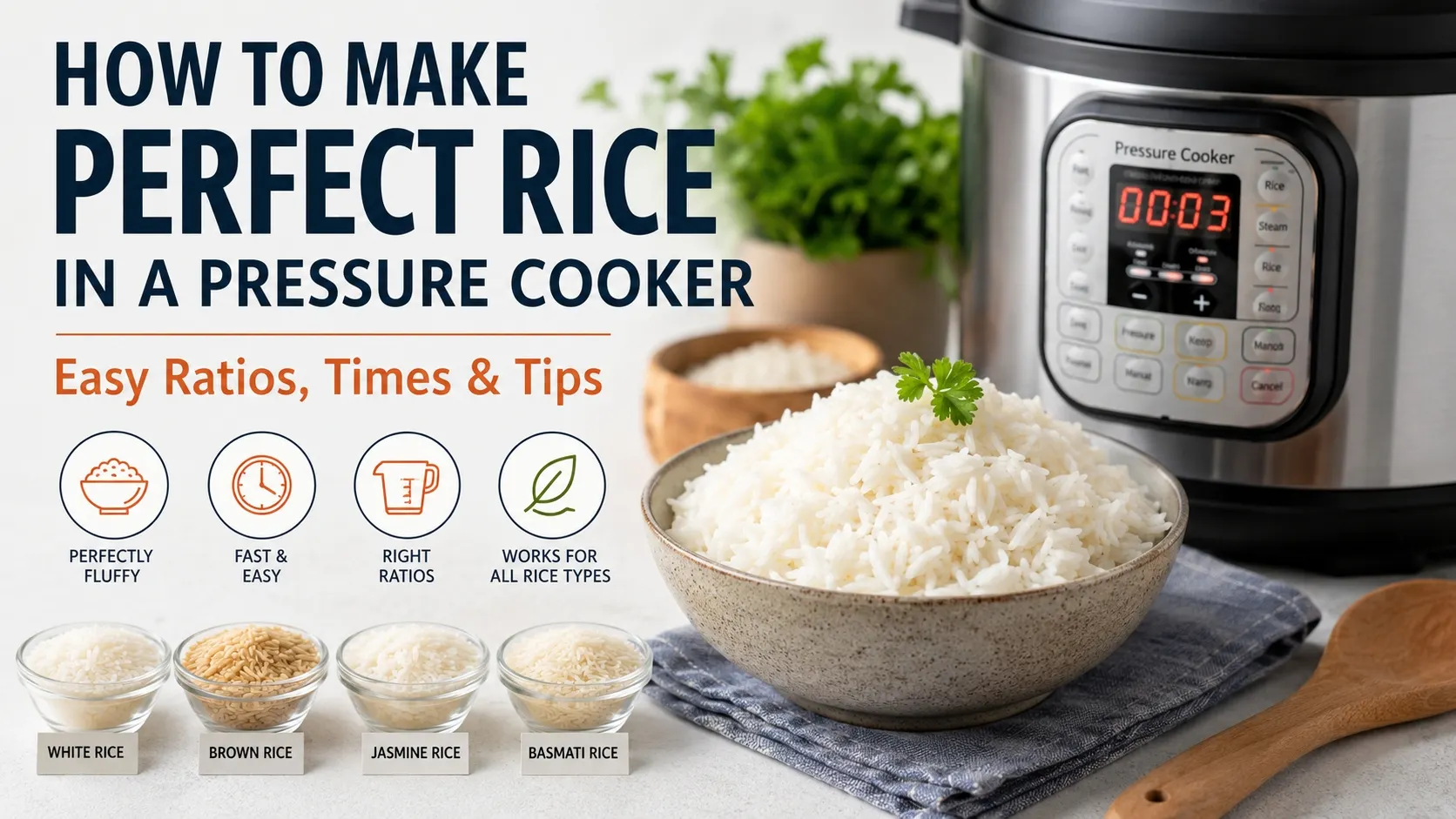
The popularity of the pressure cooking rice has grown because it saves time and retains moisture and flavor in the rice. The “set and forget it” convenience of many cooks is another feature that makes this cooking method so popular. Experts also emphasize the consistent results that pressure cookers provide, as it regulates the temperature and steam in an automatic manner.
This cookbook offers you the ideal water-to-rice ratio, cooking times, troubleshooting advice, and methods for a variety of types of rice.
Why Cook Rice in a Pressure Cooker?
A pressure cooker offers several advantages over traditional rice cooking methods:
- Faster cooking times
- Consistent texture
- Less monitoring required
- Reduced evaporation
- Easy cleanup
- Great for meal prep
Pressure cookers are different from cooking on the stove, because they keep the steam inside of a sealed container. This will help to raise water pressure and the boiling point of water, which means that rice can be cooked more efficiently.
Pressure cookers are also appealing to many home cooks since they eliminate issues such as boiling over pots or under-done center.
The Basic Rice-to-Water Ratio
The key to making pressure cooker rice is to use the right liquid-to-rice ratio.
These are the safest ones to begin with:
| Rice Type | Rice | Water | Pressure Cook Time | Natural Release |
|---|---|---|---|---|
| White Rice | 1 cup | 1 cup | 3–4 minutes | 10 minutes |
| Jasmine Rice | 1 cup | 1 cup | 3 minutes | 10 minutes |
| Basmati Rice | 1 cup | 1 cup | 3–6 minutes | 10 minutes |
| Brown Rice | 1 cup | 1.25 cups | 22 minutes | 10 minutes |
| Sushi Rice | 1 cup | 1.25 cups | 4 minutes | 10 minutes |
With little loss of water during cooking, most modern recipes suggested for cooking white rice call for a close-to-1:1 ratio.
Step-by-Step Instructions
1. Rinse the Rice
Rinsing washes away the excess starch which may result in sticky or gummy rice.
Put the rice into a fine mesh strainer and rinse off in cold water, until the water is almost clear. It is important to rinse in order to get fluffy grains, as noted by several experienced pressure cookers.
2. Add Rice and Water
Transfer the rinsed rice to the pressure cooker insert.
Add:
- Water
- A pinch of salt (optional)
- A teaspoon of oil or butter (optional for preventing sticking)
Many cooks find that a small amount of oil helps reduce sticking on the bottom of the pot.
3. Seal the Lid
Lock the lid and set the pressure valve to “Sealing.”
Use:
- High Pressure setting
- Manual/Pressure Cook mode
Avoid using low pressure for rice because it may cook unevenly.
4. Cook the Rice
Set the timer according to the rice variety.
For most white rice:
- 3 minutes high pressure
- 10 minutes natural release
This method is one of the most widely recommended approaches among pressure cooker experts and home cooks alike.
5. Allow Natural Pressure Release
Natural release is critical for properly finished rice.
Quick-releasing pressure too soon can result in:
- Wet texture
- Undercooked centers
- Sticky clumps
Many experienced users specifically recommend waiting at least 10 minutes before opening the lid.
6. Fluff and Serve
Use a fork or rice paddle to gently fluff the rice.
Let it sit uncovered for 1–2 minutes to release excess steam before serving.
Best Rice Types for Pressure Cooking
White Rice
White rice is the easiest and fastest variety to prepare.
It works well for:
- Stir fry
- Rice bowls
- Meal prep
- Side dishes
Long-grain white rice usually produces the fluffiest texture.
Jasmine Rice
Jasmine rice develops a fragrant aroma and soft texture in a pressure cooker.
For best results:
- Use a 1:1 ratio
- Cook 3 minutes
- Natural release 10 minutes
Basmati Rice
Basmati rice benefits from rinsing thoroughly before cooking.
Some cooks also soak basmati rice for 15–20 minutes before pressure cooking to improve grain separation.
Brown Rice
Brown rice takes longer because of its bran layer.
Typical cooking:
- 22 minutes high pressure
- 10 minutes natural release
Brown rice also requires slightly more water than white rice.
Common Mistakes to Avoid
Using Too Much Water
One of the biggest mistakes is using stovetop water ratios in a pressure cooker.
Because pressure cookers retain steam, excess liquid often causes mushy rice.
Skipping the Rinse
Unwashed rice contains extra starch that can create sticky or clumpy texture.
Always rinse thoroughly before cooking.
Quick Releasing Too Early
Natural release allows rice to finish steaming gradually.
Quick release often interrupts the cooking process.
Overfilling the Cooker
Rice expands significantly during cooking.
Avoid filling the pressure cooker more than halfway when cooking large batches.
Pro Tips for Better Pressure Cooker Rice
Use Broth Instead of Water
Chicken broth or vegetable broth can dramatically improve flavor.
Try Pot-in-Pot Cooking
If rice sticks to the bottom, many users recommend pot-in-pot cooking. This involves placing rice in a separate bowl inside the pressure cooker with water underneath.
Add Aromatics
Enhance flavor with:
- Garlic
- Bay leaves
- Coconut milk
- Butter
- Herbs
Meal Prep and Storage
Rice will keep 4 days in the refrigerator in a pressure cooker.
Cooked rice can also be frozen for later use. Properly frozen rice reheats surprisingly well in the microwave or soups.
Is Pressure Cooker Rice Healthy?
The pressure cooker is usually viewed as a healthy cooking approach as it cooks the food rapidly and retains the moisture adequately.
Cooking in the pressure cooker preserves good texture and helps keep the nutritional value of rice intact compared to frying, while adding less fat to the rice.
Final Thoughts
Cooking rice with a pressure cooker can make cooking so easy. After knowing the proper proportions of rice and water and how much time they take to cook, you can enjoy fluffy and flavorful rice at least once in your life.
From jasmine rice for curry, brown rice for meal prep, to basmati rice for weeknight dinners, a pressure cooker can make life easy, fast and reliable.
Once you master this recipe for pressure cooker rice, it can be one of the easiest and most reliable in your kitchen.


