





electric canning pressure cooker
More and more people are seeking to eat healthier, save money, and be more self-sufficient, and home canning has surged in popularity in recent years. The electric pressure canner is one of the tools that is available and is safe and efficient to use for preserving low acid foods such as vegetables, meats and soups. This guide covers all aspects of electric pressure canners, features and how to use the canner to have a successful canning experience.
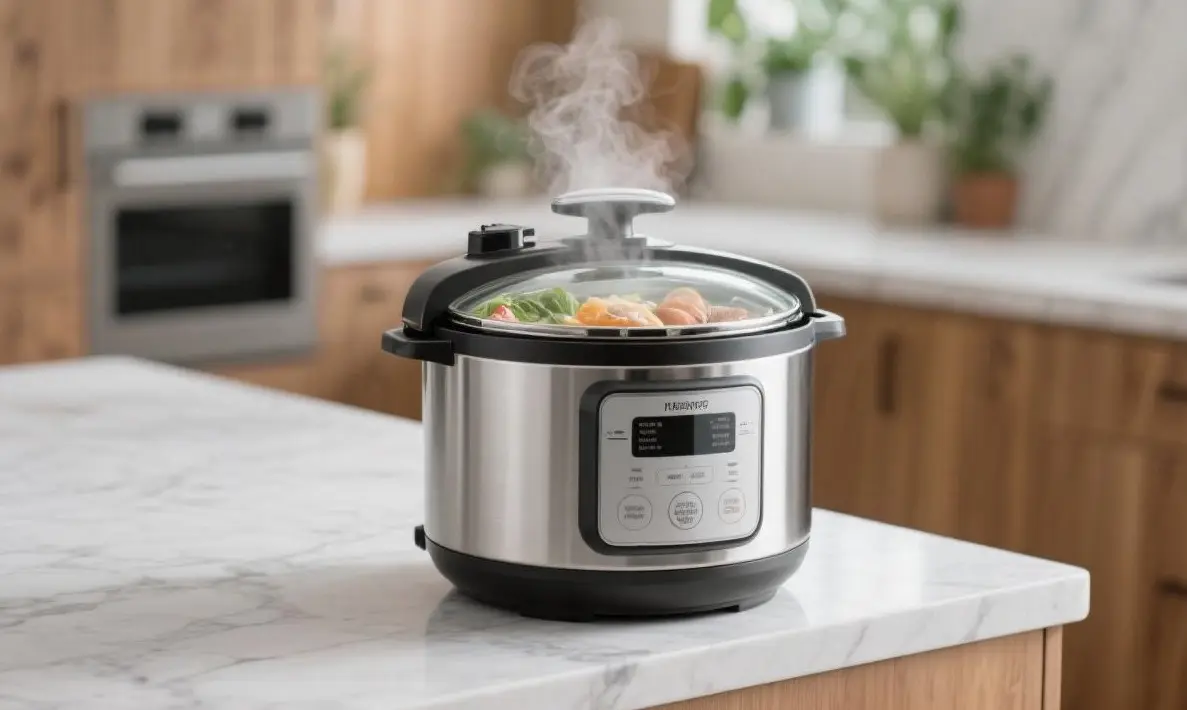
What is an Electric Pressure Canner?
An electric pressure canner is a specially designed kitchen pressure canner that is used to safely preserve food under high heat and pressure. An electric pressure cooker maintains a constant pressure automatically and is less likely to overcook or undercook food as does a stovetop pressure cooker. Their precision is perfect for home canners who would like to have consistent results without needing to monitor frequently.
Key Features to Look for in an Electric Pressure Canner
When choosing an electric pressure canner, consider the following features:
- Capacity: Electric canners typically range from 16 to 23 quarts. Larger models allow for processing multiple jars at once, which is useful during peak canning season.
- Pressure Settings: Look for models with adjustable pressure levels. Most electric canners offer settings of 5, 10, and 15 PSI, suitable for different types of foods.
- Automatic Controls: Digital timers and pre-set programs simplify the canning process. Some canners even adjust for altitude automatically, ensuring food safety.
- Safety Features: Check for locking lids, pressure release valves, and overheat protection. These features prevent accidents and make the canner user-friendly.
Why Choose an Electric Pressure Canner Over a Stovetop Model?
Electric pressure canners offer several advantages compared to traditional stovetop canners:
- Ease of Use: They automatically maintain pressure, so you don’t need to adjust heat manually.
- Consistency: Built-in timers and programs provide uniform results, reducing the risk of under-processed jars.
- Energy Efficiency: Electric models use less energy than continuously heating a stovetop unit, especially for large batches.
- Safety: Modern electric canners come with multiple safety mechanisms that minimize the risk of burns or explosions.
Step-by-Step Guide to Using an Electric Pressure Canner
1. Prepare Your Jars and Ingredients
Wash jars, lids and bands prior to use. Follow tested canning recipes to prepare food. Cooking evenly and spoilage can be avoided in the event of proper preparation.
2. Fill the Canner
Put a couple of inches of water in the bottom of the canner. Place jars carefully to allow steam to circulate between jars. Do not over fill, since this could impact processing.
3. Seal and Pressurize
Close the lid and adjust the pressure as per the recipe. Turn on the canner and allow it to reach the desired pressure. Today's electric canners will beep or show when the set pressure has been reached.
4. Process and Time Accurately
Cook for time as directed in your recipe; check if the time needs to be adjusted for altitude. Most electric canners come with timers which automatically count down the processing time.
5. Depressurize and Remove Jars
After processing, let the canner cool down naturally or as specified by the manufacturer for quick cool. Eafly remove jars with jar lifters, set on heat-resistant surface to cool.
6. Check Seals and Store
After cooling, check jar seals. Properly sealed jars have lids that do not flex when pressed. Store in a cool, dark place for long-term preservation.
Common Mistakes to Avoid
- Overfilling jars: Can lead to food spillage and unsafe seals.
- Ignoring altitude adjustments: Pressure and processing time must be modified for high elevations.
- Skipping lid checks: Damaged lids compromise food safety.
- Rushing depressurization: Rapid pressure release can cause jars to crack or spill.
Benefits of Home Canning with an Electric Pressure Canner
Using an electric pressure canner offers several benefits beyond convenience:
- Food Safety: Properly processed low-acid foods are safe from harmful bacteria such as Clostridium botulinum.
- Cost Savings: Home-canned vegetables and meats are often cheaper than store-bought alternatives.
- Customization: You control ingredients, reducing preservatives and additives.
- Sustainability: Canning reduces food waste by preserving surplus produce.
Popular Recipes for Electric Pressure Canning
- Vegetable Stews: A mix of seasonal vegetables can be canned for a ready-to-eat meal.
- Meat and Poultry: Chunks of chicken, beef, or pork can be safely preserved.
- Beans and Lentils: Fully cooked legumes store well and are convenient for future meals.
- Soups and Chili: Pre-made meals can be canned in large batches for quick, healthy dinners.
Maintenance Tips for Longevity
To keep your electric pressure canner in optimal condition:
- Clean thoroughly after each use: Remove food residues to prevent odors and corrosion.
- Check seals and gaskets: Replace worn parts to maintain proper pressure.
- Store properly: Keep the lid slightly ajar to prevent moisture buildup and odors.
- Follow manufacturer guidelines: Use only recommended accessories and parts for your model.
Conclusion
An electric pressure canner is a lifesaver for home canning enthusiasts. These offer protection, ease and reliability when storing low-acid foods. The investment in a good quality Electric Pressure Canner can make your work in the kitchen easier and make home canning a year-round experience for you, whether you are a beginner or an experienced canner. With proper preparation and safety tips, you can enjoy your favorite foods for many years and preserve their flavor, nutrition and shelf life.
Share:


