





How to Pressure Cook Vegetables in Electric Pressure Cooker | A Guide
How to Pressure Cook Vegetables in an Electric Pressure Cooker?
The modern kitchen has been transformed by pressure cooking. It is quick, clean, and it assists you in preparing vegetables intelligently and healthily. In case you are attempting to comprehend how to pressure cook vegetables in an electric pressure cooker, this guide will take you through it all in a straightforward, human-readable manner.
You will know when to cook, what proportions to use of water, what pressure to use, how to control the texture, and even technical knowledge that will enable you not to spoil your vegetables by making them mushy or undercooked. It is not a mere recipe guide; it is a complete cooking system in your kitchen.
Reasons Electric Pressure Cooking is the Smart Way to Cook Vegetables
Electric pressure cooking involves a closed system in which steam accumulates, and food is cooked in a short period of time. This cooking technique with the use of steam will preserve vegetables as soft, colorful, and nutritious. This process does not cause loss of nutrients as in traditional boiling, and preserves the flavor.
The main advantages of pressure cooking using electricity:
- Reduced cooking time compared to stovetop cooking.
- Improved preservation of nutrients in vegetables.
- Reduced consumption of oil and nutritious food.
- Even distribution of the heat system.
- One-pot cooking convenience
- Use of energy-efficient cooking appliances.
Newer cookers, such as the high-end models of L4P Tech, are built to allow programmable cooking and accurate control of pressure.
The Science of Pressure Cooking Vegetables
An electric pressure cooker is a device that uses steam trapped in a closed pot. This causes internal pressure and elevates boiling temperature to over 100 C. This is why food cooks more quickly. This is referred to as a high-pressure cooking process, and it assists:
- Fast breakdown of fiber.
- Retain natural moisture
- Cook vegetables evenly
- Cut down on cooking by a maximum of 70 percent.
The majority of electric cookers work at a pressure of 10-15 PSI, which is optimal when cooking vegetables.
Best Vegetables to Use in Electric Pressure Cooking
Vegetables do not all act the same when pressured. Others are easily soft, and some are well structured.
Ideal vegetables to pressure cook:
- Potatoes (firm texture control)
- Carrots (sweet and soft outcome)
- Cauliflower (rapid cooking time)
- Green beans (crisp, tender vegetables)
- Broccoli (light steam-assisted cooking)
- Mixed vegetables (preparation of vegetable medley)
Delicate vegetables such as spinach should not be overcooked unless the time is cut down.
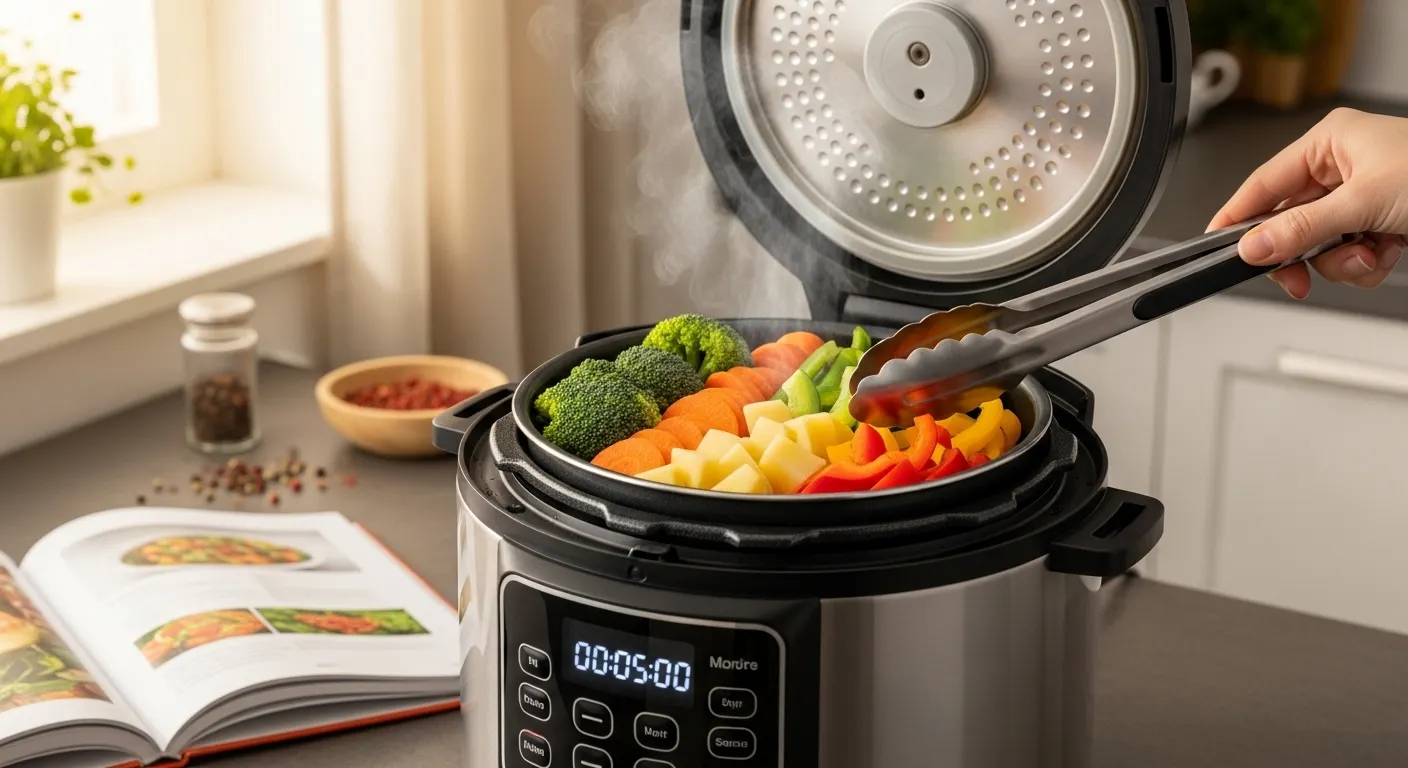
Step-By-Step Guide: How to Pressure Cook Vegetables in an Electric Pressure Cooker
Now we will divide it into easy steps so that anybody can follow.
Step 1: Washing and Cutting Vegetables
Prepare equal-sized pieces of vegetables. This is to make sure that the even heat distribution system is working properly.
Step 2: Add Water Properly
- Water is important in pressure cooking.
- Most vegetables should be used with 1/2 to 1 cup of water.
- Excessive water will cause boiling and not steaming
- Inadequate water can lead to burn alerts.
This is referred to as the water-to-vegetable ratio control technique.
Step 3: Choose Pressure Settings
- The majority of electric cookers include:
- High pressure of root vegetables.
- Soft vegetable low pressure.
- Steam mode on fragile greens.
Contemporary cookers such as those available at L4P Tech usually have an instant pot vegetable mode or preset.
Step 4: Set Cooking Time
Timing is everything. The following is a basic pressure cooker vegetable cooking time table:
- Potatoes: 6–8 minutes
- Carrots: 3–4 minutes
- Broccoli: 2–3 minutes
- Cauliflower: 3–5 minutes
- Green beans: 2–3 minutes
Step 5: Safely Release Pressure
You can choose between two:
- Quick pressure release technique (crisp texture)
- Natural pressure release (softer vegetables) method.
Rapid release is most suitable for preserving the vegetable doneness levels.
Technical Hints to Ideal Veggie Texture
These technical tips will be useful in case you desire the professional level of cooking.
- High pressure should be used on thick vegetables such as potatoes.
- Apply low pressure to soft vegetables.
- Always chop vegetables to make them cook at the same time.
- Do not fill the pot above the safety line.
- Minimize water to retain the flavor.
These little modifications can prevent mushy vegetables, which is one of the most prevalent cooking issues.
Pressure Cooking Vegetables: Health Benefits
Pressure cooking is not only quick, but it is also healthier.
Benefits Include:
- Improved retention of vitamins in cooking.
- Less oxidation of nutrients
- Low-oil cooking technique support.
- Fewer calories and lighter food.
- Fit a clean eating lifestyle.
This is ideal for preparing meals and cooking on a diet.
Electric Pressure Cooker Features That Make Cooking Easier
The contemporary appliances are made to be easy and manageable. Most electric cookers have smart capabilities, including:
- Electronic pressure cooker controls.
- Built-in cooking presets
- Delay start and timer functions.
- Automatic temperature regulation
- Safety locking system
- Design of smart kitchen appliances.
L4P Tech has some sophisticated models that are easy to use, such as the rotary dial cooker, and therefore, the beginner can easily use it without getting confused.
How to Avoid the Most Common Mistakes When Cooking Vegetables?
Even the simplest cooking can fail when you overlook minor details.
Avoid These Mistakes:
- Using too much water
- Overcooking vegetables
- Neglecting natural release time.
- Cutting vegetables unevenly
- Not adjusting pressure levels
The errors usually cause loss of texture and flavor.
Steaming Vs Pressure Cooking Vegetables
These two methods are often confused by many.
- Pressure cooking involves high-pressure sealed steam
- Steaming involves open or partially vented steam.
Pressure cooking is quicker and more effective, whereas steaming provides a bit firmer texture. They are both healthy, yet pressure cooking is less time-consuming.
Pressure Cooked Vegetable Meal Prep Ideas
After you have mastered this technique, you can make numerous fast dishes:
- Vegetable medley bowls
- Healthy side dishes
- Fast lunch preparation boxes.
- Mixed curry bases
- Diet-friendly salads
This simplifies your kitchen routine and saves you time.
Internal Kitchen Effectiveness with Intelligent Appliances
Cooking today is not merely about food, but it is about life. Smart appliances save labor and enhance uniformity. Such brands as L4P Tech are oriented to the development of cooking solutions that help to support:
- Time-saving cooking methods
- Energy-efficient cooking appliance systems.
- Daily use of smart automation.
Conclusion
How to pressure cook vegetables in an electric pressure cooker? Vegetable pressure cooking is not a mere cooking technique; it is an upgrade to a new lifestyle. You can get a perfect texture and complete nutrition each time with the right timing, water ratio, and pressure settings. Electric pressure cookers ensure that this process is quick, safe, and reliable in daily cooking.
In case you are willing to transform your kitchen experience, consider smart cooking options offered by IAIE and introduce comfort to your everyday meals. Cook smarter today and have confidence in fresh and perfectly cooked vegetables every time.


