





how to use a rice cooker
It's easy to cooking rice to make it fluffy and tender, but it isn't as easy as it sounds. That’s why the rice cooker has become a must-have kitchen appliance in homes around the world. A rice cooker makes the cooking of jasmine, basmati or short-grain rice a breeze, and eliminates any guesswork.
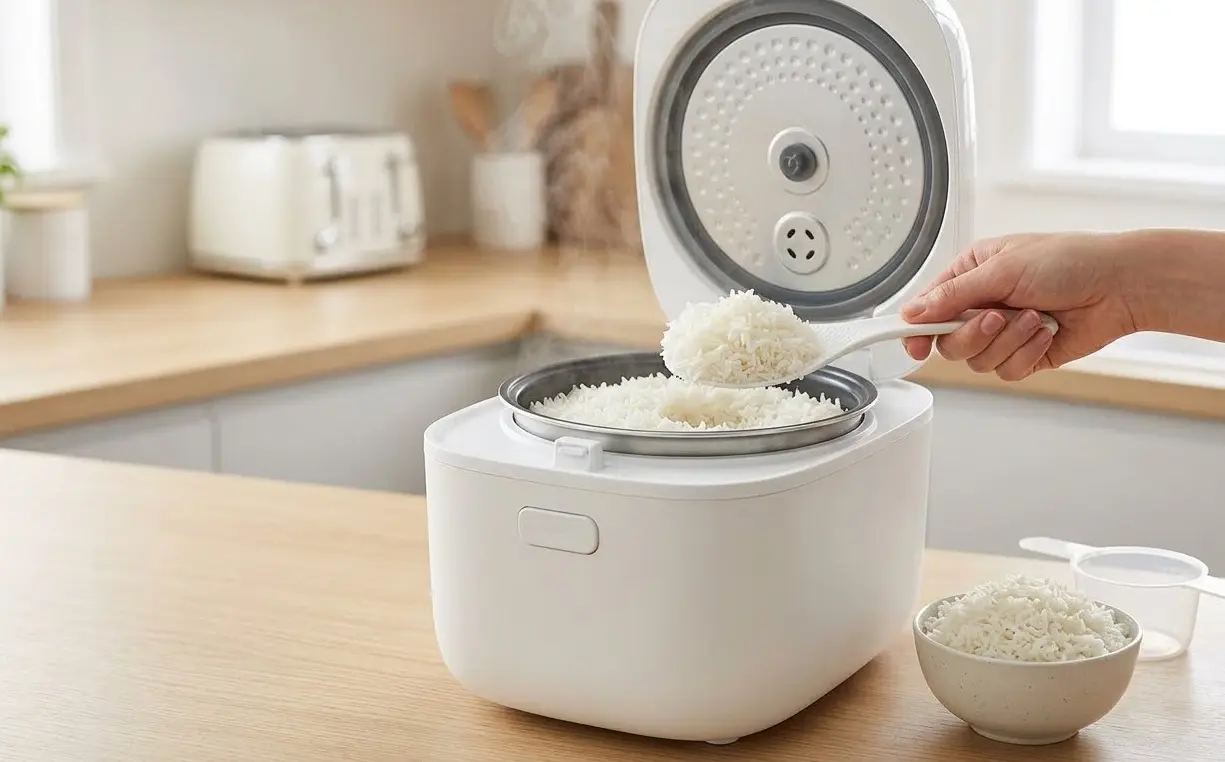
Whether you have a new rice cooker, you've used one before but were looking for some extra tips, or you're simply curious, this guide will cover all the rice cooker basics, including setting up your cooker, the right water-to-rice ratio, step-by-step instructions for the perfect rice every time, and some secret tips.
What Is a Rice Cooker and How Does It Work?
A rice cooker is an electric appliance designed to cook rice automatically according to the regulation of the heat and moisture. Works by heating water to a boil, letting the rice absorb water slowly, and then turning off or setting to “keep warm” when the water has been completely taken up.
The inner pot is heated by a heating element inside the cooker. The water is absorbed by the rice granules as the water is heated. After completion, the temperature inside the pot is above boiling point, and the temperature sensor stops cooking. This automation eliminates overcooking and burning of the rice.
Most modern rice cookers come with extra options like brown rice, mixed grains, porridge or even steaming vegetables.
Why Use a Rice Cooker?
Cooking rice with a rice cooker has a number of benefits over the stovetop method:
1. Consistent Results
Rice cookers are made for the purpose of eliminating the human element. No guess work with cooking times and no need to continually check the pot.
2. Hands-Free Cooking
After you hit start, the machine takes care of everything! This allows you to cook the rest of your meal.
3. No Burning or Boiling Over
Rice cookers can automatically turn off or regulate heat after they are done, which isn't the case with stovetop cooking.
4. Multi-Function Use
Aside from cooking rice, many rice cookers are also capable of steaming veggies, cooking oats, quinoa, and even baking a simple cake.
Step-by-Step: How to Use a Rice Cooker
The rice cooker is easy to use, but the key is to perform the correct steps to get the best texture and flavor.
Step 1: Measure the Rice
First measure the amount of rice that you want to cook. Most rice cookers have a special measuring cup that may not be the same as a US cup, so using the cup that is provided is best.
A typical dose is:
- 1 cup uncooked rice = 2–3 cups cooked rice
Step 2: Rinse the Rice
Many of the rice cooking beginners miss the most important step which is to rinse the rice. Place rice in inner pot or separate bowl and cover with cold water. Swirl lightly with a hand, drain.
Repeat this 2-3 times until water is clearer.
This will get rid of the excess starch to lessen sticky or gummy rice and enhance the texture of the rice.
Step 3: Add Water (Correct Ratio Matters)
Properly cooking rice is one of the most important ratios to follow when preparing rice, and that ratio is the water to rice ratio.
General guidelines:
- White rice: 1:1 ratio (1 cup rice to 1 cup water)
- Brown rice: 1:2 ratio (1 cup rice to 2 cups water)
- Jasmine or basmati rice: slightly less water for firmer texture
Many rice cookers also have measurement lines inside the pot, making this step even easier.
Step 4: Place the Inner Pot in the Cooker
After placing rice and water in, set the inner pot firmly in the rice cooker. Don't put it on a wet outside surface, which can cause the heating element to become damaged.
Step 5: Start Cooking
Press the lid and choose the right setting (if applicable). Then press play button
The rice cooker from here on. It will automatically bring water to a boil, cook the rice and turn off once finished.
The cooking time will vary depending on the type of rice and can take anywhere from 20 to 40 minutes.
Step 6: Let the Rice Rest
Once the rice is cooked and has turned to “keep warm,” let it sit for 10-15 minutes. This is important as it will enable moisture to be distributed evenly and the grains will become fluffier.
Don't open the lid prematurely; this can cause a loss of texture due to the steam.
Step 7: Fluff and Serve
Use a rice paddle or fork to gently fluff the rice. This helps to sort the grains and remove excess liquids, such as steam.
Your rice is now ready to eat.
Tips for Perfect Rice Every Time
Even though rice cookers are simple, a few expert tips can improve your results significantly:
Always Measure Accurately
Avoid guessing water levels. Precision ensures consistent texture.
Don’t Skip Rinsing
Removing starch is key to preventing sticky rice.
Let It Rest After Cooking
Resting improves moisture balance and fluffiness.
Add Flavor Enhancers
You can add salt, butter, garlic, or broth for extra flavor before cooking.
Avoid Opening the Lid
Every time you lift the lid, you release steam that is essential for cooking.
Can a Rice Cooker Cook More Than Rice?
Yes. Modern rice cookers are versatile appliances. You can use them to cook:
- Quinoa
- Oatmeal
- Barley
- Lentils and beans
- Steamed vegetables
- Dumplings
- Simple soups
Some advanced models even allow slow cooking or baking.
Common Mistakes to Avoid
To get perfect rice every time, avoid these common errors:
- Using too much or too little water
- Not rinsing rice before cooking
- Opening the lid during cooking
- Skipping the resting phase
- Using the wrong rice-to-water ratio for different rice types
Final Thoughts
Rice cookers are among the most helpful kitchen gadgets for those who often consume rice. Gives steady, fluffy texture with little effort – it takes practice to do this on the stove!
If you rinse, measure correctly, use the proper water-to-rice ratio and let the rice rest, you can be sure of perfectly cooked rice every time.
From a beginner cook to one just seeking a simpler means to cooking making meals, a rice cooker will take your regular cooking to the next level.
Share:


