





Mastering Your New Instant Pot: A Beginner’s Guide to Electric Pressure Cooking
Purchasing an Instant Pot is thrilling, but it can also be a bit daunting. Its buttons, cooking programs and safety mechanisms can make it all a bit confusing. Whether you own the Instant Pot Duo, Lux or Ultra, this article will help you get familiar with your new electric pressure cooker, so you can cook your favourite meals and have fun with it.
Unpacking Your Instant Pot
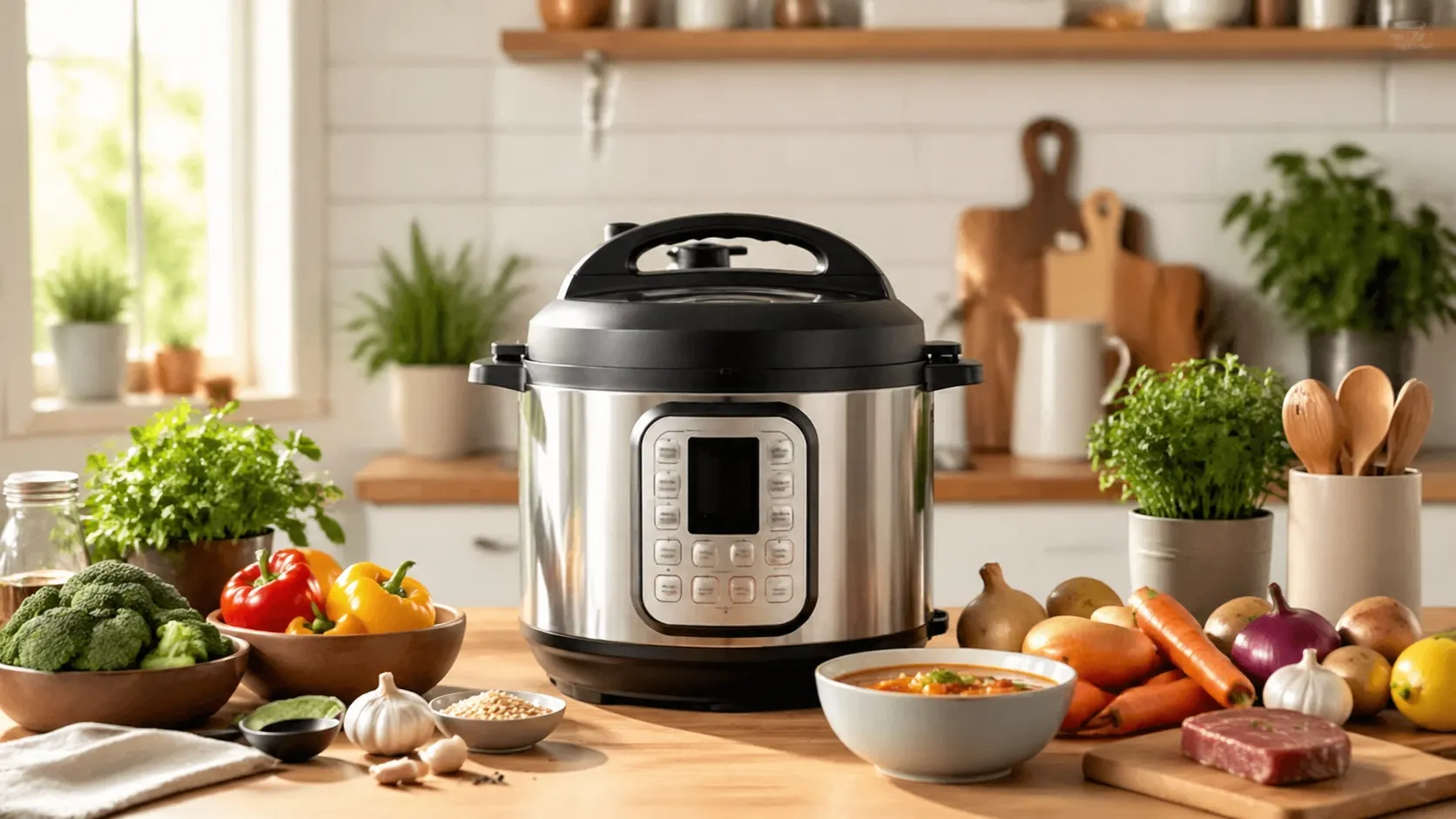
When you open your Instant Pot box you will generally find the cooker, a stainless steel inner pot, the lid with a sealing ring, a steam rack and occasionally a recipe booklet. Cooking takes place in the inner pot, and the lid has a number of safety features, such as the sealing ring and pressure release valve. Before you use your Instant Pot for the first time, rinse the inner pot, lid and accessories in warm soapy water. Rinse thoroughly and dry.
Understanding the Parts
Familiarity with your Instant Pot’s parts is essential for safe operation:
- Lid: Locks in place for pressure cooking.
- Sealing Ring: A silicone ring that creates an airtight seal. Replace it periodically to maintain performance.
- Steam Release Valve: Allows pressure to escape safely.
- Float Valve: Indicates when the pot is pressurized.
- Inner Pot: Removable stainless steel pot where food cooks.
- Control Panel: Buttons and display for selecting cooking programs.
Knowing these components helps you use your Instant Pot safely and correctly to avoid issues like overfilling and improper sealing.
First-Time Setup
When using your Instant Pot for the first time:
- Check the Sealing Ring: Make sure it’s properly seated in the lid.
- Add Water: Always start with at least 1 cup of water or liquid to generate steam.
- Test Run: A simple “water test” helps you familiarize yourself with the buttons and pressure settings without cooking food. Add water, secure the lid, set to “Manual” or “Pressure Cook” for 2–3 minutes, and allow natural release. This test also removes any manufacturing residues or odors.
Choosing Cooking Programs
The Instant Pot has pre-programmed settings such as:
- Pressure Cook / Manual: Customize time and pressure for different recipes.
- Rice / Multigrain: Optimized for cooking grains perfectly.
- Soup / Stew: Maintains gentle heat and pressure for soups.
- Slow Cook: Functions like a traditional slow cooker.
- Sauté: Allows browning or sautéing before pressure cooking.
- Yogurt: Ferments milk into yogurt with precise temperature control.
Each setting automatically adjusts pressure and temperature, but you can always modify the time for personal preference.
Safety Tips
Pressure cooking can be safe if you follow a few guidelines:
- Never Overfill: Do not fill the pot above two-thirds of capacity; for foods that expand (like rice or beans), fill only halfway.
- Release Pressure Properly: Use the natural release method for soups, meats, and grains, and quick release for vegetables. Keep hands and face away from steam.
- Check the Sealing Ring: A damaged ring can prevent proper pressurization. Replace it when needed.
- Clean the Lid Thoroughly: Food particles in the sealing ring or steam release valve can block pressure release.
Tips for Easy Meal Prep
- Prep Ingredients Ahead: Chop vegetables and measure spices in advance.
- Use One-Pot Meals: Layer proteins, vegetables, and sauces for simple, nutritious dishes.
- Batch Cooking: Cook large quantities and refrigerate or freeze portions for busy days.
- Experiment with Timing: Most recipes give a range; adjust for your taste and texture preferences.
Popular Beginner Recipes
- Chicken and Rice: Simple, tender chicken with perfectly cooked rice in under 30 minutes.
- Vegetable Soup: Customize with your favorite vegetables and beans for a comforting meal.
- Pulled Pork: Juicy pork shoulder ready in a fraction of the time compared to slow cooking.
- Oatmeal: Perfect for breakfast, creamy and fast.
Cleaning and Maintenance
Once you're done cooking, clean the inner pot, steam rack and lid. Allow to dry to avoid mold and odors. The sealing ring may absorb odors, so you may want to use different rings for sweet and savory foods. Periodically, clean the outside with a wet cloth and check that the float valve is working properly.
Conclusion
Learning to use your Instant Pot should be a fun and rewarding experience. Learning the components, doing a test run, observing safety guidelines, and trying simple recipes will help you master the Instant Pot in no time. From cooking weekday meals, to batch-cooking for the week, to experimenting with new cooking methods, your Instant Pot is a time-saving and delicious tool.
And with practice, you'll soon be a pressure-cooking pro. Take it step by step, experiment with recipes, and savour the delicious food your Instant Pot can cook.
Share:


