





How to Choose the Right Stainless Steel Pressure Cooker
May 09, 2026
Material Quality and Construction
The best stainless steel pressure cooker for your needs features an 18/8 grade or an 18/8 stainless steel. This means that the stainless steel in the cooker is 18% chromium and 8% nickel. This type has the greatest corrosion resistance and longevity. Check for a tri-ply or multi-layer construction of the material, with a core of aluminum or copper between layers of stainless steel to insure uniformity of heat distribution and to avoid the development of hot spots which can lead to burning. The thickness of the stainless steel is also important – thicker material (usually 3mm or higher) will hold temperature more effectively than thinner materials.
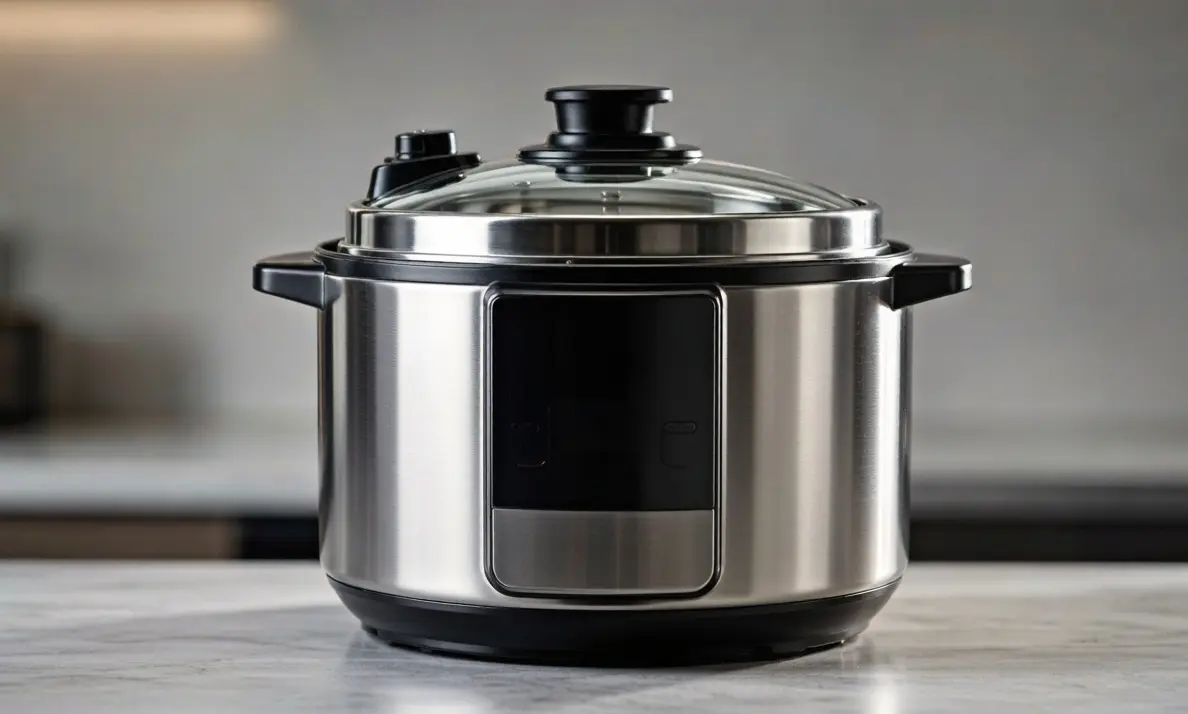
If you're looking for cookware that is completely free of toxic materials, you should avoid models that feature non-stick coatings on the cooking surface. Some of the ceramic coated products will state that they are chemical free, but the safest to use for direct food contact is stainless steel. Make sure handles are properly riveted and not secured by screws and lids fit tightly with smooth sealing gaskets that can be replaced.
Capacity Considerations
Selecting the right capacity depends on your household size and cooking habits:
-
1-2 people: 3-4 quart models suffice for most meals
-
3-4 people: 6-quart cookers handle family dinners comfortably
-
5+ people or meal preppers: 8-quart or larger capacities work best
-
Canning enthusiasts: Specific pressure canners (not cookers) are required for safe food preservation
Keep in mind that the pressure cooker should never be entirely full except for beans, grains or other foods that swell when cooked, which should be filled half full. Think about your current needs and future needs: Once many cooks start using their pressure cookers, they use them more and more as they find new recipes.
Electric vs. Stovetop Models
Electric pressure cookers offer convenience through programmable settings, automatic pressure regulation, and built-in safety features. They're ideal for beginners or those who prefer set-and-forget cooking. Most include multiple functions beyond pressure cooking, potentially replacing several single-purpose appliances.
Stovetop pressure cookers provide direct heat control and typically reach higher pressures (15 PSI vs. 10-12 PSI for most electric models), resulting in slightly faster cooking times. They work during power outages and often cost less than electric counterparts. Induction-compatible models offer precise temperature control on modern cooktops.
Safety Features to Prioritize
Modern pressure cookers incorporate multiple safety mechanisms that make them significantly safer than older generations:
-
Lid locking systems prevent opening while pressurized
-
Pressure indicators show when safe to open
-
Multiple pressure release valves provide redundancy
-
Overheat protection automatically reduces heat
-
Gasket release systems vent pressure if food blocks primary valves
-
Cool-touch handles prevent burns during handling
Look for models that have been tested and certified by recognized organizations like UL (Underwriters Laboratories) in the United States or equivalent agencies in your region.
Maintenance and Cleaning
Proper care extends your pressure cooker's lifespan and ensures safe operation:
-
After each use: Clean the lid, gasket, and valve thoroughly to prevent food residue buildup
-
Gasket care: Remove and wash silicone gaskets regularly; replace every 12-18 months or when they become stiff or cracked
-
Descaling: Use vinegar solutions to remove mineral deposits in areas with hard water
-
Storage: Store with the lid slightly ajar to prevent moisture buildup and odors
-
Inspection: Regularly check valves and safety mechanisms for proper function
Most stainless steel inner pots and lids are dishwasher-safe, but always check manufacturer instructions. Hand washing preserves finishes longer and is recommended for models with non-stick coatings.
Frequently Asked Questions About Stainless Steel Pressure Cookers
Q: Are stainless steel pressure cookers truly non-toxic?
A: Yes, high quality stainless steel, 18/8 or 304 Grade, will not leach any chemicals into food. Some non-stick coatings can break down at high temperatures, stainless steel does not. This makes it one of the safest materials for cooking, especially for foods that are acidic and could react with other metals.
Q: Can I use my stainless steel pressure cooker for canning?
A: If you don't want to use a pressure canner that is specifically marked as "pressure canners," most stainless steel pressure cookers will NOT work for pressure canning. What sets pressure canners apart, however, is that they must keep precise pressures (usually 10-15 PSI) at those levels for a prolonged period of time to safely preserve low-acid foods. There are heavy construction and pressure regulation systems for dedicated pressure canners. When canning, check with the manufacturer to determine if your model can process the food.
Q: How do I prevent food from sticking to stainless steel pressure cookers?
A: Several techniques minimize sticking:
-
Proper preheating: Allow the pot to heat adequately before adding oil or food
-
Sufficient fat: Use adequate oil or butter when sautéing
-
Deglazing: Add liquid after browning to release fond from the bottom
-
Natural release: Allow pressure to release naturally for 10-20 minutes before quick release for starchy foods
-
Immediate serving: Remove food promptly after cooking completes
Some cooks prefer ceramic-coated stainless steel inserts for particularly sticky foods like oatmeal or beans.
Q: What's the difference between natural release and quick release?
A: Natural release is when pressure slowly releases as the cooker cools down naturally (this may take 10-30 minutes). It is perfect for foods that keep cooking (such as meats) and for starchy foods that could foam (such as beans or grains). Quick release is releasing steam from the pressure valve by hand to reduce the pressure as quickly as possible. Quick release for delicate vegetables or when exact cooking times are needed. Be sure to follow recipe instructions, since other methods may impact texture and safety.
Q: How long do stainless steel pressure cookers typically last?
A good stainless steel pressure cooker is expected to last for 10-15 years with proper care and usage. The stainless steel pot itself can last for many years, and parts such as gaskets, valves and seals will need to be replaced every 1-2 years, depending upon use. Electronic components that have shorter lifespans (5-8 years) may be present in electric models. Regular cleaning and proper storage greatly help in increasing the life of the product.
Conclusion: Finding Your Perfect Stainless Steel Pressure Cooker
Choosing a right pressure cooker made of stainless steel is a balancing act between your cooking requirements, kitchen and budget. The Instant Pot Duo Plus is the most versatile, capacity, and easy-to-use option for most families, making it an excellent value in the $80 price range. It has nine cooking modes that deliver the same results, whether you're preparing a dinner for the week or a meal for the weekend.
The T-fal Clipso is ideal for stovetop cooking for those who own an induction cooktop, and has been designed with great care for safety. The Instant Pot Pro Crisp is a great option for larger families or anyone looking to air fry, as it can do both. The Peterboo is a great option for those who want something affordable for basic cooking, while the Breville Fast Slow Pro is a good choice for serious cooks who need precision cooking.
Either way, a pressure cooker made of stainless steel is a good investment in better, more efficient cooking at home. These appliances help to save up to 70% on cooking time, retain more nutrients, and save energy, making them more suitable for everyday use and for environmental preservation. Follow the few simple recipes provided here, such as beans, soups and tough cuts of meat, and you will find yourself wondering how a method of cooking so popular that is still being used after generations has evolved into the modern pressure cooker, with its safety and convenience features.
Keep in mind that the ideal pressure cooker is the one that you will use on a daily basis. You'll want to take into account your storage space, how much food you'll put in the microwave, and your confidence in cooking in the microwave. When used properly and regularly, a good S.S. pressure cooker will serve you well for many years.
Share:


