





Are electric pressure cookers energy efficient?
In the modern world, when the increase in the cost of energy and environmental issues are on the agenda, people are looking to smarter, more efficient methods of cooking at home. The electric pressure cooker is one such appliance that has become immensely popular over the past few years. However, the question is are electric pressure cookers energy efficient? Yes is the short reply--but the entire picture is more convincing.
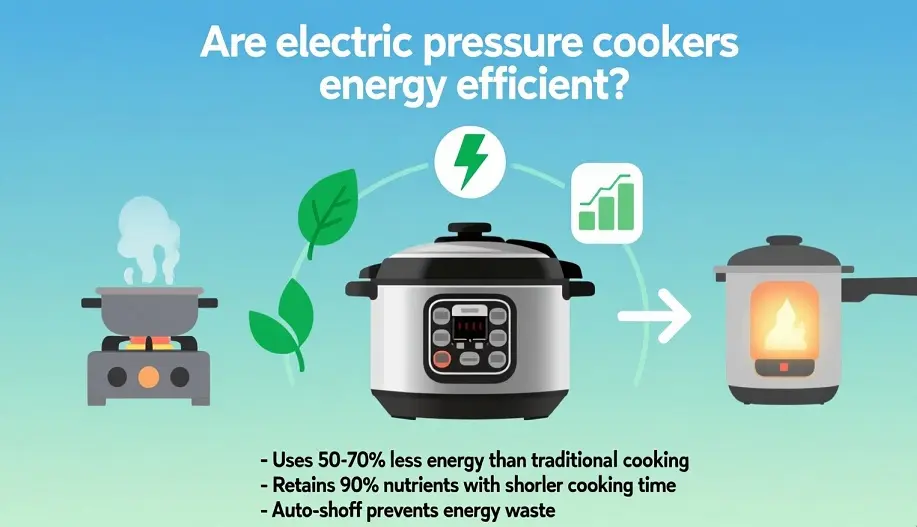
This article will discuss the mechanism of electric pressure cookers, compare their energy use with other cooking technologies and reasons why they are a smart solution to a modern environmentally conscious kitchen.
The operation of Electric Pressure Cookers.
Electric pressure cookers cook food using a high-pressure environment that is sealed. This increases the boiling point of water enabling food to cook at a shorter time as compared to conventional ways. The heat is concentrated in a short period in the cooker and the steam is trapped in this environment, making the environment very high pressure which accelerates cooking.
Electric pressure cookers are efficient in preserving heat in contrast to stovetop cooking where the heat may escape to the air. When the required pressure is achieved, the appliance consumes little energy to sustain the required pressure.
Energy Efficiency Explained
Energy efficiency is the efficiency with which an appliance consumes electricity. An energy efficient device consumes less energy but produces the same (or even more) output.
Electric pressure cookers are good in this regard due to a number of reasons:
- Faster Cooking Times
Speed is one of the greatest benefits. Foods which could take hours with traditional methods can be cooked in a fraction of a minute.
- Beans: 2–3 hours → 30–40 minutes
- Stews: 2 hours → 45 minutes
- Rice: 20 minutes → 5–10 minutes
Energy consumption is also greatly decreased since the cooking time is minimized.
- Reduced Heat Loss
The conventional cooking techniques, particularly stovetops, radiate a significant amount of heat to the environment. Electric pressure cookers are however closed systems.
This means:
- Less heat escapes
- Further energy is spent on cooking the food.
- Kitchens remain cooler, decreasing the use of extra cooling.
- Lower Power Consumption
The electric pressure cookers require between 700-1200 watts. Although this might be considered high, the important consideration is the duration. Due to their rapid rate of cooking, the overall energy per meal consumed is frequently far less than:
- Ovens (2000–5000 watts)
- Electric stovetops (1000 3000 watts per burner)
- Slow cookers (200300 watts, however, many hours)
- Smart Temperature Control
New electric pressure cookers have inbuilt sensors and programmable options. The following features will guarantee the avoidance of wasting energy:
- Automatic shut-off
- Low energy keep-warm options.
- Precision temperature control
The automation at this level eliminates overcooking and unwarranted use of energy.
Comparing Cooking Methods
In an attempt to comprehend efficiency further, we will compare electric pressure cookers to other common appliances:
- Cooking Technique Energy consumed Time of Cooking Efficiency level.
- Electric Oven High Long Low.
- Stovetop Moderate Medium Moderate.
- Slow Cooker Low Very Long Moderate.
- Microwave Low Short High.
- Electric Pressure Cooker Low Very Short Very High.
Although microwaves are also energy-saving, they are restricted to the kind of meals to be prepared. Electric pressure cookers are versatile and efficient.
Cost Savings Over Time
It does not only conserve the environment but also, it saves money by using an energy-efficient appliance. Due to the lower electricity consumption of electric pressure cookers per meal, families will experience significant energy savings on their electricity bills in the long-term.
For example:
- The time taken to cook a meal in an oven may cost a lot compared to the time taken in the pressure cooker of 20 minutes.
- When used frequently, annual savings can be enjoyed, particularly in large families.
Also, having the capacity to prepare dry beans, tough meat, and bulk meals can save money in the form of groceries.
Environmental Benefits
Environmental impact is closely related to energy efficiency. Less consumption of electricity implies:
- Lower carbon emissions
- Less power grid pressure.
- More environmentally friendly living.
Electric pressure cookers also go hand in hand with environmentally friendly lifestyles, by reducing energy wastage and ensuring more efficient cooking.
Versatility Adds Value
The multi-purposeness of the electric pressure cookers is also another factor that makes them efficient. Several appliances are merged in one model:
- Pressure cooker
- Rice cooker
- Steamer
- Slow cooker
- Yogurt maker
They save energy and space by replacing several devices, eliminating the clutter in the kitchen.
Tips to Maximize Energy Efficiency
To utilize your electric pressure cooker at its fullest, consider the following tips:
Use Right Length of Liquid.
Excessive liquid heightens time required to achieve pressure. Follow recipes carefully.
Avoid Frequent Opening
Whenever you unload pressure, you end up wasting energy. Allow the cooker to go through its cycle.
Cook in Batches
Making bigger amounts at a time saves repeated energy consumption.
Maintain the Seal in good condition.
An effective seal maintains the efficient pressure.
Do You Have any Disadvantages?
Although electric pressure cookers are very efficient, a few things have to be taken into account:
- Initial expense might be more expensive than simple appliances.
- Novice learning curve.
- Not a perfect fit in any cooking (e.g., crispy textures)
Nonetheless, the disadvantages are insignificant in comparison with the long-term advantages.
Conclusion: Do Electric Pressure Cookers Use Energy?
Yes--the electric pressure cookers are one of the most energy saving cooking appliances. Their speed in cooking food, ability to conserve heat and their smart use of electricity make them an excellent choice to both cost-conscious and environmentally conscious homes.
An electric pressure cooker can assist you in saving time, minimizing your energy usage, and lowering your utility bills, no matter which type of meals you are making: whether it is quick meals throughout the week or batch-cooking a weekly meal.
Frequently Asked Questions (FAQ)
Are electric pressure cookers energy consuming?
No. Although their wattage is moderate, they have short cooking periods rendering them very energy efficient overall.
Is a pressure cooker less expensive than an oven?
Yes. In the majority of instances, using a pressure cooker consumes a lot less energy compared to an oven.
Are they environmentally friendly?
Yes. Less energy usage results in less carbon emission and hence they are eco-friendly.


