





Nutrition Retention Showdown: Electric Pressure Cooker vs Slow Cooker
When Electric Pressure Cooker vs Slow Cooker comparisons happen, time and convenience are important factors for most home cooks. But there's a quieter, more critical battle happening inside each appliance: the fight to preserve delicate nutrients. Vitamin C, folate (vitamin B9), and various antioxidants are highly sensitive to heat, oxygen, and cooking duration. How do these two popular devices compare? Let's dive into the science.
Why Nutrient Degradation is Important for Daily Cooking
•Vitamins that are water-soluble are less stable: The cooking method may determine meal quality as Vitamin C and folate can be lost up to 50-80% by heat exposure.
•Antioxidants behave differently when heated: When heated, antioxidants such as lycopene, have greater bioavailability. On the other hand, anthocyanins, when subjected to high heat for prolonged periods, have a greater tendency to degrade.
• Cooking time and temperature require balance: Slow cooking heats food at low temperatures over extended time, while pressure cooking uses the opposite, high temperatures over a short period.
Vitamin C: The Most Sensitive Metric
Vitamin C is easily lost compared to other nutrients as it is water-soluble and will oxidize when exposed to heat and light. Below is the comparison of the two appliances.
Electric Pressure Cooker (EPC) – Fast and Sealed:
•The speed of the pressure cooker minimizes the oxidation of food: The fast pressure cooking of vegetables over the 2-5 minute window reduces the breakdown of Vitamin C.
•The sealed environment protects ascorbic acid: The sealed nature of the pressure cooking environment keeps fresh oxygen from entering and stabilizes the chain oxidation reactions of Vitamin C.
•Pressure cooking is generally the best method for retaining Vitamin C in broccoli, spinach, and bell peppers at a retention rate of 75–90%.
Slow Cooker Long and Slow:
•The loss of Vitamin C from Long Exposure to Heat: Slow cookers heat food at approximately 80 to 100 ͦC for 4-8 hours. At these settings, there is a cumulative, significant loss of Vitamin C.
•The lid on a slow cooker is not air-tight: Slow cookers do come with lids, but they are not air-tight. Over time, air will seep in, and the contents of the slow cooker will be exposed to oxidation.
•Standard retention rate: Studies show slow cooking retains just 40-60% of Vitamin C. This number varies by vegetable and how much cooking liquid is used.
✅Conclusion: When it comes to preserving Vitamin C in foods, electric pressure cooking is significantly superior to slow cooking.
Folate (Vitamin B9): Heat + pH Sensitivity
Folate is critical to the synthesis of DNA and cell division and is even more heat labile than Vitamin C in the presence of acidic or neutral pH.
•Folate degradation is a function of time when cooking temperatures exceed 70°C: As both methods of cooking exceed this temperature, the time of cooking becomes the more relevant factor.
•Pressure cooking has the advantage of shorter cooking time: Cooking legumes and leafy greens under pressure for about 10-15 minutes has been shown to retain about 70-80% of their folate content.
•Folate is destroyed by Slow Cooking: After about 6 hours of slow cooking, folate retention is often under 50%, especially if the dish is based on tomato or broth.
•Volume of cooking liquid is also a factor for slow cooking: The more cooking liquid used, the more folate leaches into the cooking liquid, which is typically discarded, incurring yet another loss.
Antioxidants: Not a Simple Comparison
Antioxidants are many, including polyphenols, carotenoids, and glucosinolates, and have a wide variety of heat response.
1.Carotenoids (beta-carotene, lycopene)
•Pressure cooking enhances bioavailability: High heat along with pressure ruptures cell walls and enhances the availability of beta carotene from pressure cooked carrots by an extra 30-40% when compared to raw.
•Carotenoids are also enhanced by Slow Cooking: Long, gentle, and sustained heat also softens cell walls to a similar extent when compared to pressure cooking, but is not superior.
•In the case of carotenoids, it is a toss-up: Based on preference of texture, both methods of cooking are superior when compared to eating the vegetables raw.
2.Anthocyanins (red/purple pigments in berries, red cabbage)
Anthocyanins quickly degrade at or above 80°C and can also be affected by pH changes. Normal methods of cooking (boiling, slow cooking) tend to destroy these nutrients. However, cooking under pressure and for shorter durations can better retain this antioxidant. It has been found that pressure cooking can retain 65–75% of anthocyanins. After 4–6 hours of slow cooking, the retention can drop to below 30%. The red/purple produce has the most positive outcome, so an Electric Pressure Cooker is highly suggested.
3.Glucosinolates (broccoli, kale, cruciferous vegetables)
•Cooking under pressure can deactivate myrosinase. Myrosinase is the enzyme responsible for converting glucosinolates into active cancer-fighting agents. Thus, pressure cooking can effectively destroy glucosinolates. Overcooking destroys the enzyme.
•Slow cooking with low heat preserves myrosinase better: If you want maximum sulforaphane, slow cooking at 60–70°C for short periods (1–2 hours) may be preferable, though rarely practical.
•Trade-off to consider: For cruciferous vegetables, neither method is perfect – light steaming remains best, but if choosing between EPC and SC, the EPC with quick release is often recommended.
How Modern Electric Pressure Cookers (Like IAIE) Solve the Nutrition Dilemma
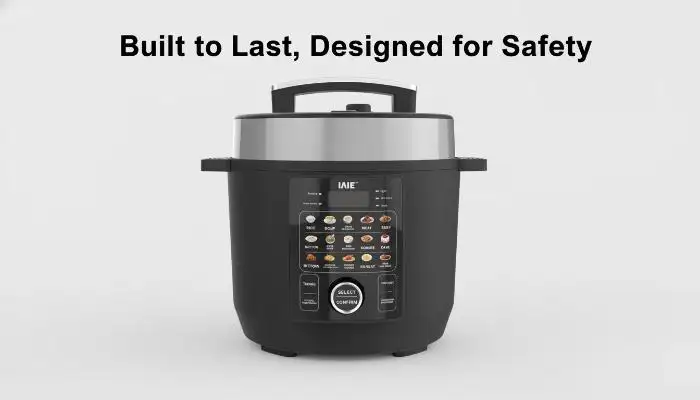
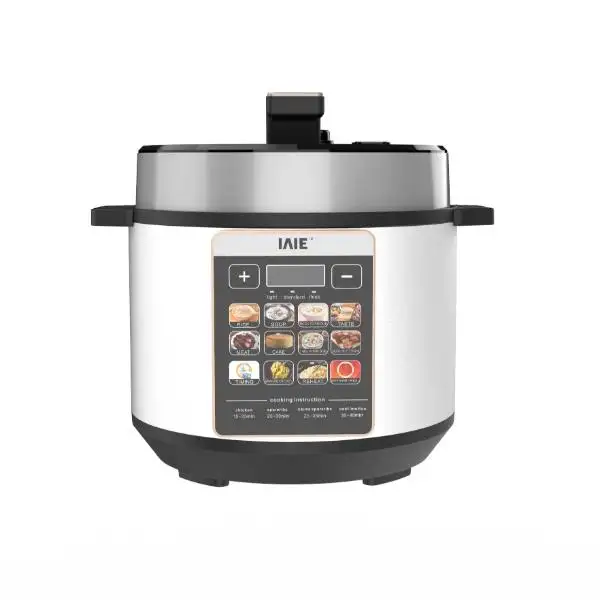
Today's 12-in-1 electric pressure cookers go beyond simple pressure cooking. They offer precise control that helps balance nutrient retention, texture, and safety. The IAIE Intelligent Cooker exemplifies the application of innovative technology in modern appliances.
IAIE's Engineering Benefits with Nutrient Retention:
•High-efficiency Pressure system (1000W) – the cooker pressure system reduces cooking time by 40% and reduces the heat exposure to sensitive vitamins C and folate.
•Tactile Temperature Control – Lets the user control the heat levels, cooking at lower levels for vegetables like leafy greens to preserve nutrients, and optimum levels for beans to break down lectins.
•One-Key Exhaust – Reduces the exposure of food to cooking air, and helps in retaining the antioxidant anthocyanins, which are sensitive to oxidation.
•Intelligent Cooking Options – the cooker has 12 presets for steam, soup, slow cook etc. for broccoli you can choose quick steam for a 2 minute cycle versus slow cook for a 3 hour cycle which increases vitamin retention.
•Food-Grade Cooking Pot – The insert prevents metallic off-flavors and distributes heat to avoid overcooking.
Practical Scenarios: EPC vs SC for Nutrition-Conscious Cooking (Select Food & Nutrient Goals)
| Food and Nutrient Goal | Better Choice | Why |
| Red bell pepper (vitamin C) | Electric pressure cooker | 3 min vs 6 hr – no contest |
| Lentil soup (folate) | Electric pressure cooker | 12 min retains 75% folate; slow cooker 6 hr loses >50% |
| Beef stew (collagen; not vitamin) | Either | All nutrients are heat-stable; choose by texture preference |
| Purple cabbage (anthocyanins) | Electric pressure cooker | 4 min at pressure keeps color and antioxidants |
| Cruciferous vegetables (sulforaphane) | Light steam or raw | Avoid both if possible; if must cook, EPC with quick release |
Conclusion: Align Your Cooking Method and Nutritional Goals
•For heat sensitive, water soluble vitamins (C, B9): Electric pressure cookers are the clear winner. A quick cycle in an electric pressure cooker is a sealed cooking chamber, which protects nutrients that are slowly destroyed in a slow cooker.
•For fat-soluble antioxidants (carotenoids): Cooking in both devices can increase bioavailability, so texture and convenience may guide your choice.
•For delicate phytochemicals (anthocyanins, glucosinolate enzymes): Electric pressure cookers generally outperform slow cookers, though steaming remains the gold standard.
•IAIE's 12-in-1 electric pressure cooker (4-5L) offers a practical solution: fast pressure cooking for vitamin-dense vegetables, plus slow cooking mode for dishes that benefit from extended low heat. With 1000W power, intuitive touch controls, and multi-layer safety systems, it allows you to shift from "just cooking" to "cooking with nutrient awareness."
When you compare Electric Pressure Cooker vs Slow Cooker, remember: time is not just about convenience – it is a direct enemy of delicate nutrients. Choose the method that respects the chemistry of your ingredients.
IAIE – From concept to product manufacturing, your trusted strategic OEM/ODM partner.
FAQs
Q1: How does pressure cooking compare to slow cooking in terms of vitamin preservation?
A: Pressure cooking is better. Slow cooking keeps 40-60% of vitamin C and folate. Pressure cooking results in a loss of 10-25%.
Q2: If frozen veggies are pressure cooked, will the nutrients be retained?
A: Yes. You don't even have to thaw them because the cook time is so short.
Q3: Which of the two methods is most efficient at keeping the antioxidants in red cabbage?
A: Pressure cooking is better. Slow cooking damages most anthocyanins after just a few hours.
Q4: Is slow cooking red kidney beans safe?
A: No. Slow cooking them won't destroy the lectins, which are toxic. Pressure cooking them will bring them to a safe temp.
Q5: Does the IAIE electric pressure cooker have a vegetable steaming mode?
A: Yes. Its 12-in-1 preset includes a steam mode designed for fast, nutrient-friendly cooking.


