





electric pressure cooker and canner
May 09, 2026
Electric pressure canners are a revolutionary new type of pressure canner. Introduced in 2020, this new line has revolutionized an intimidating process into an easy, user-friendly experience for both novices and experts in canning. Unlike traditional stovetop pressure canners which must be maintained and adjusted, electric canners can make safe food preservation accessible to anyone.
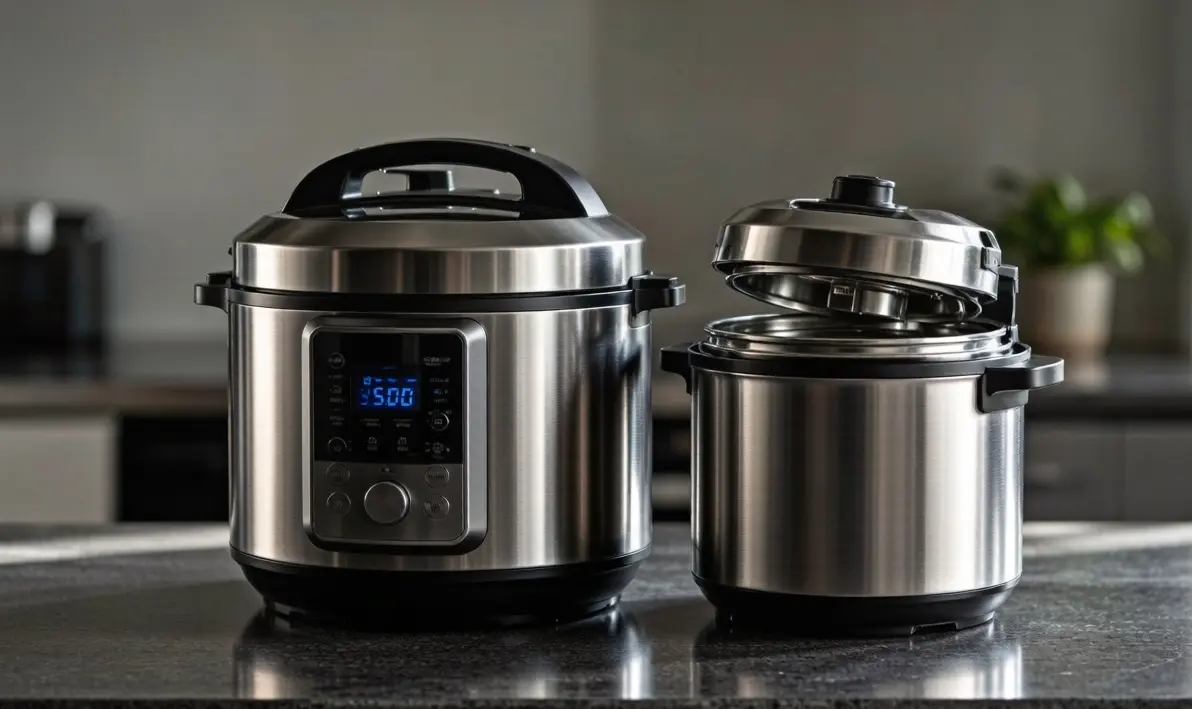
The transition from pressure canning to electric canning is similar to the shift from pressure to electric cooking that has occurred as the Instant Pot was introduced in 2010. It is important to note, however, that although the Instant Pot transformed pressure cooking, this pressure cooker cannot be used safely for pressure canning because it does not have the ability to heat to precise temperatures or to use the proper venting techniques for safe food canning.
Why Electric Pressure Canners Are Game-Changers
Safety and Precision
The biggest benefit to electric pressure canning is its ability to ensure that the pressure and temperature are held constant throughout the canning process. Traditional pressure canning is more complicated because of the need for monitoring the pressure gauge and adjusting heat, which is worrisome for many home canners. This pressure and temperature stress is eliminated with electric models, which automatically maintain the recommended USDA settings.
User-Friendly Operation
Electric Pressure canners offer step-by-step instructions and information for pressure canning for the beginner. For example, the Presto Digital Pressure Canner will remind users at each important step so they do not miss it. This is useful to avoid common mistakes such as timer starting prior to achieving proper pressure or forgetting to vent the chamber.
Altitude Adjustment
This is one of the biggest advantages of electric pressure canners—they automatically adjust their pressure based on the altitude. Hand pressure adjustment for elevation is necessary for traditional canning, and may be confusing with risk of processing error. For electric models, the machine automatically adjusts for the elevation, which means safe food processing, no matter where you are.
How Electric Pressure Canners Work: A Step-by-Step Guide
Initial Setup
First, put the electric pressure canner on a heat-resistant surface and near an electrical outlet. Prior to starting, do a quick visual check to make sure all parts are installed and undamaged. Place the inner pot and canning canning trivet, then fill with 3 quarts (most models have a convenient fill line) of water.
Programming and Preparation
Turn on the canner and push the "pressure canning" button. It will ask you to adjust the processing time, depending on your special recipe (usually between 20 and 100 minutes). Then pre-warm the canning jars and canner (this is an important step as this pre-warm the canner chamber as well).
Loading and Sealing
Pack in the food that you have prepared, leaving the required head space (head space is the amount of space left between the top of the jar and the food). Tighten using two-part lids to the "finger tight" setting. When asked to do so, load the jars into the canner and secure the lid (using locking mechanism), before adding the pressure regulator.
Venting and Pressurization
The canner will increase the temperature of the contents to the boiling point and start a 10 minute venting period where the steam pressure will rise in the canner to ensure a uniform process. Once the venting is done, connect the pressure regulator to the steam vent in the "canning" position. The canner will then automatically begin to increase in pressure, and will not open if the pressure is too high.
Processing and Cooling
After the correct pressure is reached the processing time counter starts ticking. The canner keeps the pressure steady during this time. Once the processing is finished, the unit goes through a cooling stage, during which the pressure slowly decreases over a period of 45-90 minutes. The safety lock is only unlocked when the pressure is zero, which means the process is completed.
Key Differences: Pressure Canners vs. Pressure Cookers
Many consumers confuse electric pressure canners with electric pressure cookers, but these appliances serve fundamentally different purposes:
Temperature and Pressure Control: Pressure canners must maintain precise, consistent pressures (typically 10-15 PSI) for extended periods to ensure safe food preservation. Pressure cookers operate within variable pressure ranges (often fluctuating 3-5 PSI) suitable for cooking but inadequate for canning.
Altitude Adjustment: Electric pressure canners automatically adjust for elevation changes, while pressure cookers do not offer this critical safety feature.
Venting Process: Proper canning requires a specific venting procedure to remove air from the chamber before pressurization—a step not incorporated into pressure cooker designs.
Manufacturer Specifications: Only two electric pressure canner models currently meet USDA guidelines for home canning: the Presto Precise Digital Pressure Canner and the Nesco/Carey Digital Pressure Cooker and Canner. Notably, popular pressure cookers like the Instant Pot Max are only approved for water bath canning, not pressure canning.
Top Electric Pressure Canner Recommendations
Presto Precise Digital Pressure Canner
The Presto model is the most popular electric pressure canner on the market, and is very easy to use and reliable. It comes with a user-friendly interface that walks the user through each step, reducing the likelihood of mistakes. It's also automatically adjustable for altitude and has a precise pressure control, making it suitable for all canners. The one-year warranty and sturdy design make it the latest “gold standard” in electric pressure canners.
Nesco/Carey Digital Pressure Cooker and Canner
The Nesco/Carey is cheaper than the Presto but has a lot of usability problems. Users have expressed problems with user interface and timers turning on before adequate pressurization. These problems can result in under cooked food, which may be a potential health hazard. Most experienced canners recommend the use of the Presto model or stovetop canners, until these design problems are corrected.
Common Questions About Electric Pressure Canners
Are electric pressure canners USDA approved?
The USDA does not specifically approve models of canner, but provides guidelines for processing. The Presto Digital Pressure Canner is a safe home canner for canning that conforms to all USDA guidelines.
How long do electric pressure canners last?
These appliances are relatively new and their lifetime is not well documented. Expect to use regularly for 3-5 years, based on similar electronic cooking pressure device. Stovetop models, such as All-American Pressure Canners, are still the best option for durability.
Can I use my own recipes in electric pressure canners?
Yes, if you make use of recipes that have been tested for pressure canning safety. When using personal recipes, always adhere to published guidelines for processing time, headspace and acidification.
What about water bath canning in electric pressure canners?
The vast majority of electric pressure canners have water bath canning capabilities. This is similar to pressure canning but the pressure regulator attachment is not used and jars are processed in boiling water.
Can I quick-release pressure when canning?
Do not release pressure when canning. The cooling part of the process is important to ensure proper processing and sealing of jars. It is dangerous to food safety if the jars break when they are being quickly released.
Maximizing Your Electric Pressure Canner Experience
Maintenance and Care
Regular maintenance ensures optimal performance and longevity. After each use, thoroughly clean all components, paying special attention to the steam vent and pressure regulator. Periodically check rubber seals and gaskets for wear, replacing them as needed. Keeper the lid of your canner just off to avoid moisture and odours.
Recipe Selection and Adaptation
While electric pressure canners work with all tested pressure canning recipes, some adjustments may improve results. Consider these tips:
-
Reduce processing times slightly for recipes originally developed for stovetop canners
-
Maintain consistent jar sizes within each batch for even processing
-
Always use fresh, high-quality ingredients for best preservation results
Troubleshooting Common Issues
If your canner fails to reach pressure or the lock doesn't engage:
-
Verify adequate water levels (exactly 3 quarts)
-
Ensure the sealing ring is properly positioned
-
Check that the pressure regulator is correctly aligned
-
Confirm the steam vent is clear of obstructions
For timer issues or error messages, consult your manufacturer's manual or contact customer support.
The Future of Home Food Preservation
Electric pressure canners represent just the beginning of technological innovation in home food preservation. As these appliances become more widespread, we can anticipate features like:
-
Wireless connectivity for remote monitoring
-
Integrated recipe databases with automatic time settings
-
Advanced safety sensors for even greater reliability
-
Energy-efficient designs reducing power consumption
The Presto Digital Pressure Canner is the most user friendly as it provides safe, convenient and consistent results for an entry-level electric pressure canner for now. Preserving Garden Vegetables, Making Homemade Pantry Items, or even trying some of the old fashioned ways of food preservation, Electric Pressure canners make them more approachable than ever before.
Adopting this technology would allow home canners to enjoy the productivity of having food on hand in their home canner while avoiding the anxieties that have been associated with pressure canning. There's a revolution in home food preservation—and it's as easy as pushing a button.
Share:


