





One-Pot Complete Protein: Electric Pressure Cooker for Beans and Lentils
Eating a plant-based diet does not mean compromising on protein quality. By combining beans (or lentils) with grains, you can form a complete protein — one that provides all nine essential amino acids your body cannot make. However, cooking beans and grains together in a single pot has historically been tricky: different cooking times, foam clogging valves, or uneven textures. The solution? A well-designed Electric Pressure Cooker for Beans and Lentils, such as the IAIE Premium Stainless Steel model with reservation function, 12 one-touch presets, and large 6–8L capacity. This article describes the science of protein complementation and demonstrates how IAIE's engineering renders their one-pot legume-grain meals safe, convenient, and nutritious.
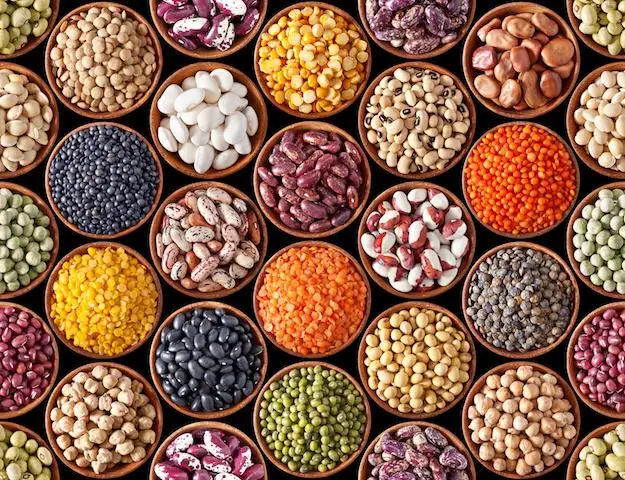
Why Beans + Grains = A Complete Protein
Plant proteins are often labeled "incomplete" because they lack one or more essential amino acids. But this is easily solved by pairing complementary foods.
•Beans and lentils are rich in lysine but low in methionine and cysteine: Lysine supports tissue repair and enzyme production, yet beans miss enough sulfur-containing amino acids.
•Grains (rice, wheat, oats, corn) are rich in methionine and cysteine but low in lysine: Exactly the opposite profile. When eaten together, they fill each other's gaps.
•No special timing needed – just the same meal: The digestive system pools amino acids from all foods consumed over a few hours. Eating bean-rice or lentil-quinoa in one dish is scientifically equivalent to eating animal protein.
•Practical examples: Red beans + brown rice, chickpeas + oats, green lentils + barley, or black beans + corn.
Cooking these two families of ingredients together in a single vessel saves time and energy, but only if the appliance can handle their different hydration and cooking rates.
Why Stovetop and Slow Cookers Fail
Traditional cooking methods often result in mushy grains and undercooked beans.
•Beans need to be cooked at a higher temperature and for a longer period under pressure to help break down complex sugars and anti-nutrients. Without this cooking process, lectins, and other anti-nutrients, which are especially present in kidney beans, can be problematic to your digestion.
•Grains can easily become overcooked during this long process. For example, brown rice can take around 20 minutes and dry chickpeas can take about 35 minutes. With a standard cooking range, you are unable to apply two separate time-temperature profiles.
•There is also a risk of foaming and clogging in valves. Beans can release a saponin and starch that can foam and, in poorly designed pressure cookers, can clog steam vents.
Because of designs like this, the need for a purpose built Electric Pressure Cooker for Beans and Lentils, which includes preset programs and safety systems, is absolutely necessary.
How IAIE's Design & Technology Solves the One-Pot Equation
IAIE defines themselves as "Your trusted strategic OEM/ODM partner from the concept to product manufacturing." Their premium, stainless steel, electric pressure cooker is a great example of providing a specialized product for legume-grain meals.
1.12 One-Touch Cooking Presets – Accuracy, No Guesswork
•There are dedicated programs for beans, grains, and multigrain combinations. 12 presets can be made for each and can fully automate the setting for temperature, pressure, and the duration for the cooking process.
•When cooking beans and grains, you can use the "Texture Adjustment" setting to keep the beans firm (but still tender) and the grains (but still tender) separate. Grains can also be made to be less porridge-like. Chewy can be selected for pilaf, and soft can be selected for congee.
•Reheating and setting scheduled reservations for meal prep involves adding dry beans and rice with water in the morning and resetting the reservation timer, returning to a finished complete protein bowl, no soaking necessary.
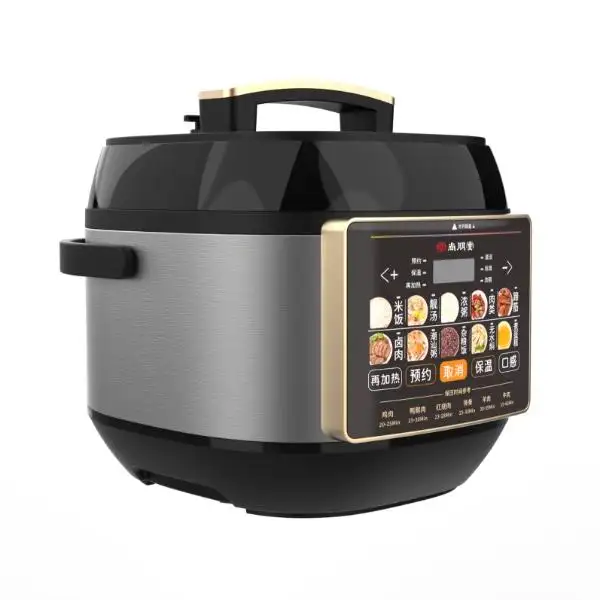
2.6–8L Oversized Capacity – Batch Cooking Complete Proteins
•Prepare a meal for 6–12 people in one batch: the 6L model fits 1.2–1.5 kg dry beans and grains and has enough complete protein base for a week's worth of lunches or for a family gathering.
•Commercial-lite efficiency for small kitchens: having to prepare a meal only once saves energy and fits the modern kitchen with an optimized footprint.
•Even heat distribution across large portions: layering beans and grains can leave the bottom scorched while the top remains uncooked. IAIE's high power heating and thick laminated enamel pot does not let that happen.
3.High-Performance Heating & Pressure Control
•1000W power + valve body exhaust method: this system rapidly builds pressure even with dense ingredients (chickpeas and whole wheat berries). The valve body design of this system allows the natural release of pressure, which is ideal for cooking beans, and a quick release for delicate grains.
•Anti-foam engineering: this design minimizes foam carry over and prevents valve blockage when cooking ingredients that require the combination of both.
4.Comprehensive Safety System
•Lid-lock and pressure release protection: with this system you can not open the lid until the pressure drops to a safe level. This is especially important for cooking beans, which require the full pressure to be let out.
•Anti-dry burn and overheat protection: this system is useful for long reservation cycles and unattended cooking.
Step by Step: One-Pot Red Beans & Brown Rice (Complete Protein Meal)
What follows is a neutral and tested procedure for cooking Beans and Lentils using Electric Pressure Cookers such as the IAIE 6L.
1.Rinse 1 cup dried red beans and 1 cup brown rice separately. No pre-soaking needed, though a 2-hour soak reduces cooking time by 20%.
2.Add to inner pot: 3 cups water, plus 1 tablespoon oil (reduces foaming). Do not fill beyond 2/3 mark.
3.Select preset: "Beans + Grains" or "Multigrain" mode. If your model has separate buttons, use "Beans" first for 10 minutes, then quick release, add rice, and run "Rice" mode. But with IAIE's smart presets, one touch handles both.
4.Set texture to "Firm" for salads or "Soft" for burrito bowls. Set reservation if needed.
5.Natural pressure release for 15 minutes after cycle ends. This allows beans to finish softening without turning rice to mush.
6.Fluff and serve. Add veggies or salsa for a fully balanced plate.
Why Choose IAIE as Your Pressure Cooker OEM/ODM Partner
IAIE stands out as a B2B partner for brands needing private-label electric pressure cookers because of its manufacturing capabilities.
•Flexible size and color options: Select 5L/6L with standard color choices of gold, blue or black or order a custom color. Choose a thickened enamel standard inner pot, a gift of double-spray aluminum, or a custom stainless steel pot.
•Global voltage with a detachable cord: 220V, 50Hz with detachable coupling, complying with numerous global markets.
•Control options: Touch, knob, or large display control interfaces available for your target market.
•Unmatched longevity: Includes strong components and materials, coupled with an entire safety suite (pressure release, lid lock, anti-dry burn and overheat protection).
•OEM pricing: IAIE offers full custom inner pot material, molding, and packaging (2 units per carton with a volume of 0.55–0.7 m³) pricing.
Cleaning and Maintenance After Legume-Grain Cooking
•Immediate cleaning after use will result in long lasting performance.
•Remove the sealing ring and anti-clog cap to wash. These parts can be placed in a dishwasher.
•Thickened enamel pots do not require a scrubbing or soaking to remove the residue.
•Wipe valve body and outer housing with damp cloth: Do not immerse the base.
Conclusion
Combining beans and grains into a one-pot complete protein meal is not only nutritionally smart but also deeply convenient when using the right appliance. An Electric Pressure Cooker for Beans and Lentils like the IAIE Premium Stainless Steel model eliminates the guesswork with 12 presets, texture adjustment, reservation, and a 6L oversized capacity. Its safety systems and even heating turn a formerly tricky cooking task into a reliable weekly routine. For brands looking to bring such a product to market, IAIE stands as a strategic OEM/ODM partner — from concept to finished goods, backed by engineering that understands both legumes and lentils.
Need a custom electric pressure cooker for your brand? Contact us. IAIE protects your privacy and responds within 24 hours.
FAQs
Q1: Is soaking beans necessary before I cook them with grains in an electric pressure cooker?
A: Not necessary, but soaking beans for 2 hours before cooking them will shrink the cooking time by 20% and it will be easier to digest.
Q2: Is cooking red kidney beans and rice together safe?
A: It is safe as long as the pressure cooker reaches a temperature of 115 degrees Celsius and the lectins will be destroyed. Use the bean setting with natural release.
Q3: For a one pot beans and grains meal how much water should be used?
A: A 1:2.5 ratio of beans and grains to water, however, be sure to check the max fill line on your electric pressure cooker (must never be greater than 2/3 full).
Q4: Does the IAIE pressure cooker have a specific program for beans and grains?
A: Yes, the 12 one-touch presets include multigrain and bean modes. Individual cooking programs are also available for each.
Q5: For dry beans and rice will the reservation function keep them from spoiling?
A: Yes, the preset reservation function will keep the beans and rice at a safe temperature prior to cooking them. This is a great function for overnight meal prep.


