





6–8L Large-Capacity Electric Pressure Cooker for Meat Batch Cooking
Cooking meat for an entire household or for weekly meal prep can be time-consuming and difficult. A solution is a 6-8L electric pressure cooker specifically designed for cooking meat. This helps with batch cooking and home cooking, and reduces the cooking load for the day.
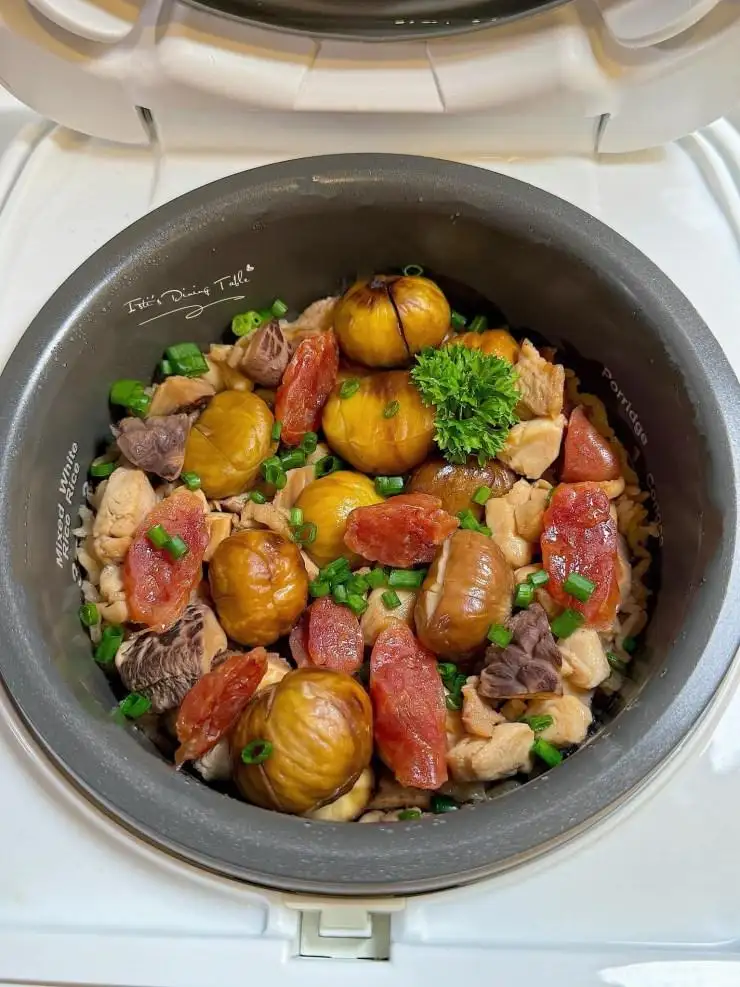
This article discusses capacity and how it can affect performance, as well as why pressure cooking is the most efficient for cooking meat, and the systems created by IAIE to assist with repeatable cooking processes.
Why Electric Pressure Cooker is Best for Cooking Meat
Meat has a lot of collagen and connective tissue, which usually takes a lot of time to break down with traditional cooking methods. An electric pressure cooker uses the idea of cooking with steam, but at a higher pressure and temperature, allowing the steam to break down the tissue and collagen much faster.
Key Advantages of Meat Prep
1. Fast Tenderization
Meat prep achieves what traditionally would require long simmering, to barely a fraction of the time in tenderizing tough cuts of meat like beef chuck, pork shoulder, and lamb shank.
2. Predictable Cooking Cycles
Since every step of the cooking cycles is controlled by a micro-computer, the need for constant oversight is eliminated.
3. Improved Taste
Food prepared in an electric pressure cooker has a sealed environment with moisture that creates a rich broth and deeper flavor.
Why Families and Meal Prep Benefit from 6–8L Capacity
In homes that meal prep or cook large amounts of food, small cookers have to do multiple cycles. A 6–8L capacity helps lessen how many cycles need to be performed.
Capacity and Batch Cooking
| Capacity (L) | Raw Meat Load (kg) (approx.) | Cooked Servings | Typical Use |
| 5L | 2–3 kg | 8–10 | Small family cooking for a day |
| 6L | 3–4 kg | 10–12 | Family meal with extra portions |
| 8L | 5–6 kg | 16–20 | Meal prep for the week or other large gatherings |
*This estimate assumes cooked meat weight for each serving is 150–170 grams. Actual serving size may differ depending on type and preparation of meat.
Benefits of a Larger Capacity
• Fewer cooking cycles because one large batch replaces many small batches
• Better ingredient distribution, as a large diameter pot helps meat cook uniformly in the cooking liquid
• Improved efficiency for meal prep, as it allows all protein for the week to be cooked in one preparation session
• More flexible meal plans, as it can accommodate a wide variety of cooking styles and types of meat
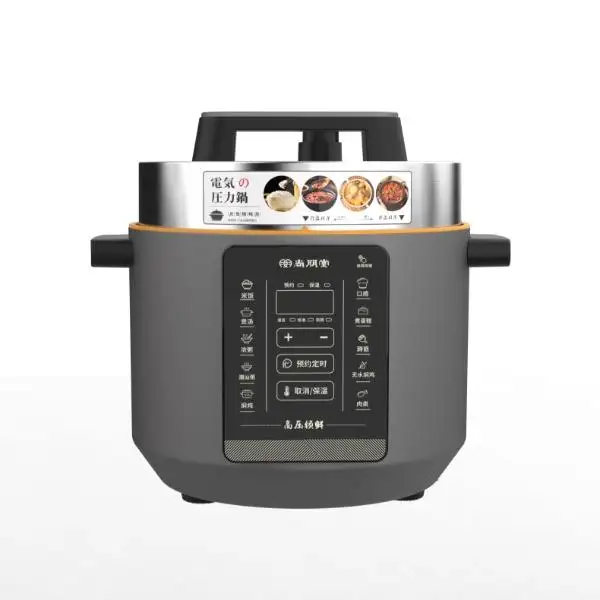
Engineering Approach: IAIE Unibody Series
Manufacturers with stable production systems typically have a focus on safety, usability, and stability during repeated cooking cycles under near design limits. IAIE's Unibody Series is designed for the same context and usage pattern, particularly focused on cooking meat.
Key Design Features
• Pressure sealing system
Helps maintain a stable high pressure environment, which helps protect meat and moisture during cooking.
• Microcomputer based touch control
Standardized cooking pathways with preset programs (for example, stew, soup, meat) with some flexibility in the control of the cooking pressure.
• Heating Distribution System
The design of the heating distribution system increases the uniformity of doneness across the batch. It decreases the doneness disparity between the upper and lower layers of the batch.
• Multi-layer safety system
This system integrates several safety systems for extended cooking such as lid-lock protection and pressure monitoring as well as overheat and dry-burn protections.
The Influence of Inner Pot Materials on Cooking
The type of inner pot used has a direct effect on the quality of thermal contact and ultimately the quality of the cooking; this is especially the case with the cooking of meat based products.
• Enamel Coated Pot: This pot will not scratch and has a coating that heats evenly. This is the pot of choice for both braising and stewing.
• Non-Stick Aluminum Pot: The pot that eliminates the age-old problem of cleaning sticky or greasy meat.
• Stainless Steel Pot: The pot of choice for meat dishes that include a sauce based on tomatoes or vinegar due to the non-reactive surface.
The design of the inner pot and the sealing ring reduces the internal structures and helps in the cleaning process after cooking fatty meat.
Best Tips for Cooking Bulk Meat and Meal Prep
Using a 6L-8L electric pressure cooker will help you maximize weekly batch cooking.
1. Brown the meat before pressure cooking, if possible.
For pressure cooking, it is best to sear the meat first to help build flavor.
2. Fill limits for safe cooking:
For safe cooking, do not fill the cooking pot more than 2/3 full with meat or cooking liquid.
3. Rapidly cool for storage
For food safety, cooked meat should be put in shallow airtight containers as soon as possible after cooking.
4. Clearly label all meals with a date
For an efficient meal rotation, please label the meals with the date and type of meat.
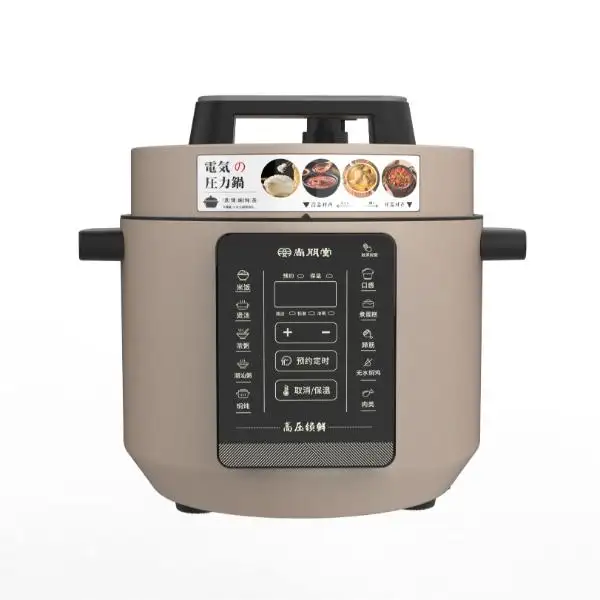
Impacts of Quality Manufacturing for Meat Cooking Appliances
Cooking meat on a regular basis subjected heat, fat, and moisture to a number of internal components. An important part of the long-term viability of a product is:
• The ability of the gasket to withstand repeated exposure to fat and moisture.
• Clarity of the pressure valve.
• External housings constant integrity and safety.
• The ability of the manufacturer to design with constant internal integrity of the product.
Final Words
An electric pressure cooker with a ~6-8L capacity is a great addition to a meal-prepping family's kitchen. It is designed for cooking large quantities of meat while optimizing the workload cooking. Meat prep is made simple with design features that leave no compromise on the quality of meat.
IAIE Unibody Series systems place priority on consistent performance, safety, and ease of use over mere capacity in the typical home cooking environment. Contact IAIE today to learn about the OEM/ODM possibilities for your kitchen systems.
Frequently Asked Questions
Q1. Do you provide OEM/ODM modifications?
Yes, we provide options for modifications to branding and control panels as well as cooking program modifications.
Q2. Can we modify cooking programs?
Yes, modifications to the preset menus for specific markets can be done.
Q3. What certifications do you have?
We offer CE and CB certifications, as well as other regional safety certifications on request.
Q4. Can we modify the packaging for retailers?
Yes, we provide packaging solutions that are ready for retail.
Q5. Do you offer private labeling?
Yes, we provide private labeling services.


