





Electric Pressure Cooker Maintenance Tips: A Practical Guide
Electric pressure cookers are now a common feature in contemporary kitchens. They prepare food in a matter of minutes, making them time-efficient as well as energy-saving. Persistently using any kitchen appliance, including the electric pressure cooker, can compromise its safety and efficiency. Regular maintenance of any kitchen appliance remedy this. Moreover, the durability of the electric pressure cooker will be enhanced.
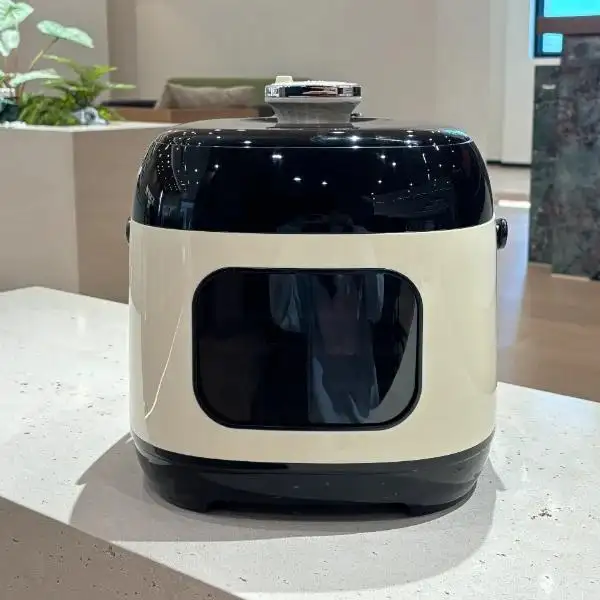
This guide offers tips on how to maintain an electric pressure cooker. Daily cleaning, inspections, how to care for the various electric pressure cooker components, and how to properly store the appliance will be covered. These tips are based on the manufacturer's recommendations and general appliance care.
Importance of Maintenance
Routine care will cover more than just cleaning an appliance. It will effect the performance and safety of the pressure cooker.
Proper maintenance helps to:
•Prevent steam from escaping and cooking results from varying
•Reduce the sealing components' ability to absorb odors
•Minimize error codes that are the result of blocked valves or sensors
•Reduce the overall life of the appliance
The effectiveness of maintenance really comes down to the daily routine.
1. Post-Cooking Cleaning Routine (Every Use)
One of the most important routines is the cleaning routine that should take place after cooking. This routine should be done every use.
1) Cleaning of Inner Pot
•After each use, wash the removable inner pot using warm water with mild dish soap
•Use a soft sponge to protect non-stick and stainless-steel surfaces
•Avoid the use of abrasive pads or steel wool
2) Lid and Rim Care
•Use a damp cloth to wipe the inner lid and sealing rim
•Remove all food particles, steam, and moisture before they dry and harden
•Reserving the sealing rim is important, as residue may affect sealing
3) Condensation Collector (if applicable)
•Empty and rinse this part after each use to prevent odor and mold
4) Drying Before Reassembly
•Make sure all parts are fully dry before closing or storing the equipment
•This will prevent trapped moisture in seals or valves which will lead to odor or buildup
2. Sealing ring and lid components
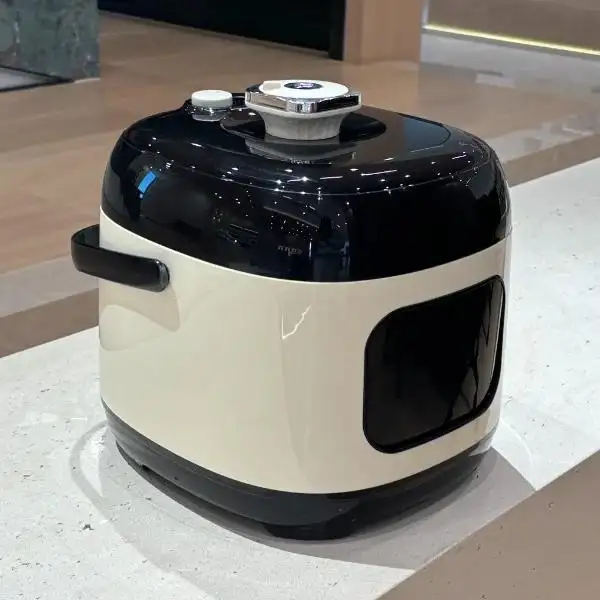
The sealing ring plays an essential role in retaining pressure and safe operation.
Cleaning Instructions
•Wash every 3–7 uses or after cooking strongly flavored foods.
•Use mild soap and rinse thoroughly.
Inspection
Regularly check for the following:
•Cracks or visible damage.
•Loss of elasticity or stiffness.
•Permanent deformation.
Worn sealing rings will allow steam to escape or will result in inconsistent pressure.
Odor Removal
•Soak in warm water and add a small amount of baking soda or vinegar.
•This will remove absorbed food odors before the ring is replaced.
Replacement is 12–18 months.
3. Maintenance schedule for key components
| Component | Recommended Frequency | Maintenance Method |
| Sealing ring | Weekly / heavy use | Wash, inspect, replace if worn |
| Inner pot | After every use | Clean using a soft sponge, do not use abrasives |
| Steam release valve | Monthly | Rinse and check that a clear airflow path is ensured |
| Anti-block shield | Monthly | Remove and brush to remove residue |
| Exterior & control panel | Weekly | Wipe with a cloth that is slightly damp, dry immediately |
4. Steam System and Safety Parts
Steam Escape Valve
•Inspect at regular intervals for signs of movement while the unit is cool and unpowered.
•Ensure that it does not stick and that there is no residue buildup preventing movement.
Anti-block Shield
•This is to prevent food particles from clogging the steam channel.
•Monthly cleaning is required using a soft brush to avoid clogging.
Float Valve
•Check that the Float can move freely and vertically.
•Float valves that are obstructed will register unstable pressure readings. In addition, such float valves will weaken sealing.
5. Inner Pot and Accessory Care
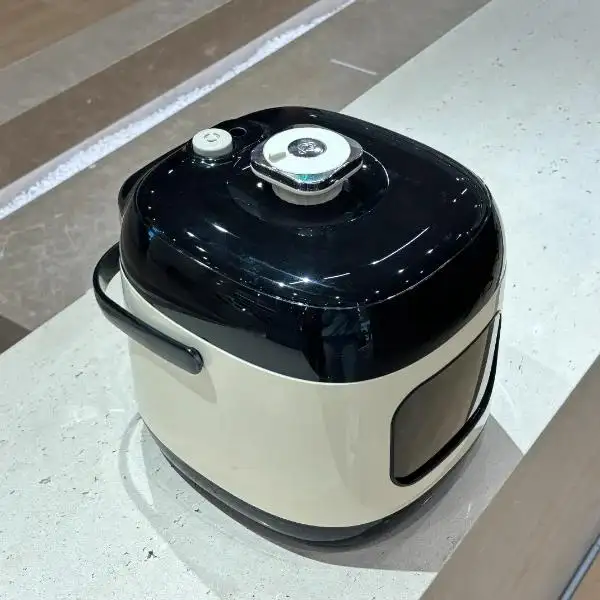
Accessories can lose cooking quality and surface finish over time.
•Use silicone, nylon, or wooden utensils to avoid scratches.
•Please inspect the inner pot's base contact and surface once in a while.
•If it is applicable, cleaning your inner lid plate once in a while is important to avoid transfer of flavors and grease buildup.
6. Electrical Safety and Exterior Maintenance
Electrical safety is always a concern with routine maintenance.
•Always unplug when doing a deep clean or an inspection
•Look at the power cord on a frequent basis for signs of wear, cuts, or the wiring being exposed
•Do not submerge the main unit in water
•Use a cloth that is only slightly damp to wipe the outer housing
•Keep the heating base and control panel completely dry
Contact an authorized service provider when there is damage to the cord or any electrical component.
7. Proper Storage Techniques
Storage affects both the lifetime of gaskets and the capacity to control odors.
•Lids that are either closed or fully opened allow the passage of air during storage.
•Keep in a dry cabinet with ventilation away from heating or steaming sources.
•Coil the cord loosely while storing to prevent the cord from being deformed.
•Considerably more storage space is utilized if the inner pot is left in the outer unit while stored.
Habits that Decrease Efficiency
Performance often becomes less stable due to the following behaviors:
•Cleaning supplies that involve abrasive mechanisms: Can wear away coatings, sealing, and protective materials.
•Overfilling: Will block the releasing path for steam and the system for steam valves.
•Not addressing small leaks of steam: Usually means that the sealing ring has worn out or the rim has become unclean.
•Forcing the lid to close: Can break the locking components and spoons that are used to align the lid.
Building Maintenance into Your Routine
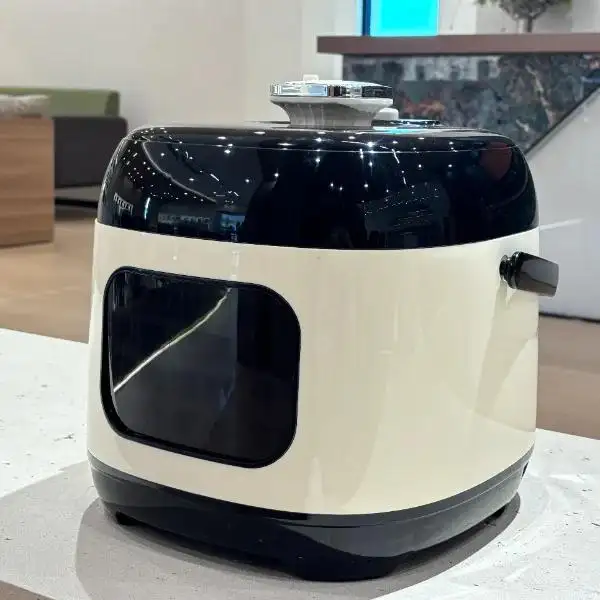
Following these steps for maintenance of the electric pressure cooker will help you have a more efficient appliance for a longer time and an overall better cooking experience. The problems that most pressure cookers have become the norm slowly over time and are the result of not addressing small problems such as residue, blocking steam paths, or worn out seals.
Reliable performance for years can be expected from storage, cleaning, and inspection of the cookers.
Designed for Practical Use and Long-Term Reliability
Cookie IAIE pressure cookers demonstrate principles of easy design and maintenance of a product that pressure cooker users demand and have reliability. Daily maintenance and use of pressure cookers designed by IAIE allow pressure cooker users to expect consistent cooking. See what models of electric pressure cookers match your needs in the design offered by IAIE.
FAQs
Q1: What kind of OEM/ODM support can I expect?
A: We provide complete customization for branding and product design, as well as options for modification to product capacity and the design of the control panel.
Q2: Is customization of packaging possible for private label?
A: Complete solutions for packaging and private labeling are provided.
Q3: What are the available export market certifications?
A: We can provide support for CE, CB, and ETL certifications, among others.
Q4: Do you provide support for multi-voltage versions for different regions?
A: Yes, we can offer support for both 110V and 220-240V versions.
Q5: Do you offer after-sales and spare parts support?
A: Yes, long-term spare parts and technical support are provided.


