





Electric Pressure Cooker Safety Tips: A Comprehensive Guide to Safe, Efficient Cooking
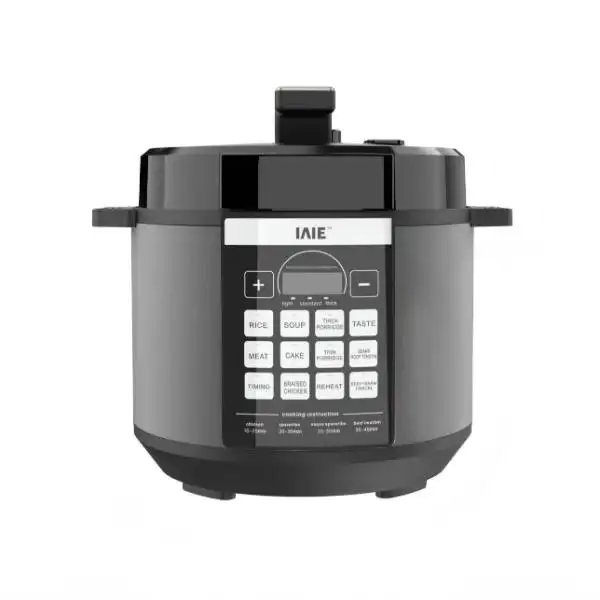
Electric Pressure Cookers are a fantastic combination of speed, convenience, and energy efficiency. But accidents happen, and lost efficiency is unavoidable without learning the basic Electric Pressure Cooker Safety Tips. To efficiently cook with a pressure cooker, you must first understand proper safety measures. Most Electric Pressure Cooker Safety Tips are based on the design of the cooker and the engineering of the product. IAIE has designed and engineered their Electric Pressure Cookers to maximize safety through intelligent design. For example, their most successful product, the Pressure Cooker with One-Touch Exhaust, has safety measures built right into each product.
Why Pressure Cooker Safety is Important
When using a pressure cooker, it is important to understand the dangers of high temperature, high pressure steam. Cookers are designed with safety in mind, but following Electric Pressure Cooker Safety Tips will protect you and enhance the life of your product. For example, each product made from IAIE, a Hong Kong based bespoke design and engineering firm, is designed to maximize safety. Their most successful product, the Pressure Cooker with One-Touch Exhaust, is an excellent example of safety through design.
1. The Safety Check
The first and most important safety tip is doing a safety check on the cooker before each and every use. Safety checks should be quick, but screen for the following:
•Worn out sealing ring. A ring that is worn out or damaged is not able to pressure cook efficiently and may leak steam. This can cause a significant risk to safety, including burns.
•A damaged or stuck float valve means you won't have an indicator for pressure. This is critical to ensuring the safe of the cooker.
•Finally, the one touch exhaust must be clog free. IAIE has designed their right-side one touch exhaust button to be easy to access. However, food residues can clog exhaust, so clean it to maintain safe steam release.
Make Sure the Lid Locks Firmly: Modern electric pressure cookers, like IAIE's which has a large-panel, integrated lid, will not build pressure unless the lid is correctly closed. Always check that the lid handle clicks into place.
2. Perfecting Steam Release: The One Touch Exhaust Benefit
Steam release is controlled and is one of the most important electric pressure cooker safety tips. Rapid or uncontrolled venting can spray hot liquid.
•Use natural release for foamy or liquid-heavy foods: Soups, beans, and oatmeal tend to foam; leaving the pressure to drop naturally prevents clogging the exhaust valve.
•Activate one-touch exhaust only when you are clear of the steam jet: IAIE's one-touch exhaust button is placed on the right side for intuitive reach, but always turn your face and hands away from the vent opening before pressing.
•Press the button briefly, then step back: A full depressurization takes 30–90 seconds; maintain distance until the float valve drops, indicating zero internal pressure.
•Do not force the lid open. It may take time for the last of the residual steam to leave the system. IAIE's lid lock system prevents the lid from being turned until the last of the pressure has been released—never circumvent this system.
3. Important Built-In Safety Systems
You should be able to verify these safety systems when you are selecting or using an electric pressure cooker. All are present in IAIE's 4L–8L systems:
•Pressure release safety: Automatically vents pressure when it exceeds the limit.
•Lid lock safety: Prevents opening when the cooker is pressurized.
•Anti-dry burn safety: Protects from fire hazard by cutting power when the inner pot is empty.
•Overheat safety: Protects the cooker by cutting power when the temperature is too high.
With advanced technology safety systems like these from IAIE, the manual safety tips for using an electric pressure cooker transform from safety tips to a system of safety.
4. Filling Safety Systems for the Cooker
With an electric pressure cooker, one of the biggest problems is overly filling the system, which can also lead to pressure cooker safety systems being bypassed.
•For solids like vegetables and rice which expand, do not fill above the two-thirds mark.
•With the 8L system from IAIE, to be safe when filling beans and other legumes, do not fill above the 4L mark. Liquid foods like stews can be filled to the halfway mark.
•Do not obstruct the steam exhaust vent: Even small blocks of food can interrupt exhaust flow—ensure large blocks of food are cut to smaller uniform sizes.
•Do not under-fill the recommended liquid: To generate enough steam, 1 to 1.5 cups of a water-based liquid are typically required. While IAIE's double-spray inner pot provides even heating, it is still necessary to include enough liquid.
5. Sealing and Lid Mechanics
Pressure cooking relies on and demands a perfect seal to be accomplished safely.
•Insert the sealing ring correctly and fully: When a sealing ring is incorrectly placed, steam will hiss from the lid's edge. Sealing rings should be replaced every 12–18 months or as needed.
•Clean the rim of the outer pot and the lid groove: Residue from cooking will prevent an airtight seal. The large panel lid design that IAIE provides will help you access tight spaces during cleaning.
•Do not force the lid into position: If you feel resistance, adjust the lid's position. This will help keep the locking pins from damage. IAIE's uniquely styled handle provides fully ergonomic control so that you achieve a smooth locking every time.
•Ensure the float valve is fully depressed before you open the pot: After exhausting the steam, the lid will indicate it is safe to open. Never attempt to force it down using tools.
6. The Danger of Power Cords
Providing power of such high wattage (800 W - 1000 W within IAIE) means that we must be careful and diligent in our use of electricity.
•Direct plug to wall—no extension cords: Using extension cords that can worsen electrical flow or become dangerous will result safety shut offs and damage control failures.
• Fray inspection for fixed power cord: IAIE's non-detachable power cord is for a stable connection. If the cord is damaged, it must be replaced by a professional. IT SHOULD NOT be taped or repaired.
•Separate the base and cord from moisture: While the inner pot can be removed, the heating element and electronics will be damaged if exposed to moisture. Wipe any spills immediately.
•Once used, disassemble everything completely. Parts still connected can lead to a situation where they can be electrically powered, which can ultimately lead to an increase in the risk of malfunctioning and performing operations unexpectedly.
7. Cleaning and Maintenance for Long-Term Safety
Safety and efficiency is dependent on continued cleaning and maintenance.
• Sealing ring, lid and inner pot must be removed and cleaned: The sealing components and inner pots are dishwasher safe.
• Clear the steam exhaust pathway: Use a pipe cleaner or toothbrush.
• Check the heating plate for debris: Wipe the cooling plate for crumbs or smeared oil.
• Damages that affect safety must be repaired: Safety is compromised with inner pots that are cracked and lids that are warped. IAIE's components are meant to last, but the user should still conduct regular safety inspections.
8. Commercial and Large-Batch Considerations
For the 6-8L models in small commercial kitchens or large families, an additional layer of safety is required.
• It should be ensured that the cooker is fully cooled after a batch before the next batch is initiated. It should be ensured that the cooker does not go through successive cycles of high pressure, and should be left for 10-15 minutes after a natural release before the next batch is initiated.
• Since it may receive wear from continuous use, check the one-touch exhaust button every week. Pay attention to the functionality of the button's spring. Button response should be easy with a one–touch action.
• Train all kitchen staff on these Electric Pressure Cooker Safety Tips: One person's mistake can lead to an accident; post a checklist near the appliance.
• Do not leave the cooker unattended while pressurizing: Although IAIE's overheat and anti-dry burn protections are robust, the first few minutes of building pressure are when most steam leaks or misfits become apparent.
Conclusion: Safe Cooking Is Smart Cooking
These Electric Pressure Cooker Safety Tips show how easily a powerful appliance can become an everyday dependable cooking partner. Checking the sealing ring and learning how to properly use the one-touch exhaust builds a useful habit. Brands like IAIE show—from product concept to product unit that with thoughtful OEM/ODM partnerships safety becomes a priority in every product. Whether a user opts for the 4L version designed for home use or the 6-8L pressure cooker that dominates the best seller list from home use to commercial use, a pressure cooker is a joy to use when it is safe. You can use a pressure cooker with peace of mind, and enjoy safe and nutritious meals, after reading the instruction manual and using it properly.
For bulk orders and custom designs, IAIE, with real kitchen pressure cookers safety systems, one-touch safety exhaust, and real world use highly durable heating containers, pressure cookers and a lot more, is the best choice.
FAQs
Q 1: How long does a sealing ring last?
A: 12-18 months or if you begin to notice cracks, permanent hardening or constant leaking steam earlier.
Q2: What should you do when the one-touch exhaust is stuck?
A: Unplug the unit, let it cool, then clean the steam vent channel with a small brush. Never force the button.
Q3: Can I fill the 8L model to the brim?
A: No. For most foods, fill no more than two-thirds full; for beans and rice, limit to half-full.
Q4: Does IAIE's pressure cooker have anti-dry burn protection?
A: Yes. It automatically shuts off if the inner pot runs out of liquid—one of four built-in safety systems.
Q5: How do I know when it's safe to remove the lid?A: The float valve (small pin) will drop down into the lid. Also, no steam should escape when you gently press the exhaust button.


