





Alloy Pressure Pot Material: Defines 2026 Electric Cooker Performance
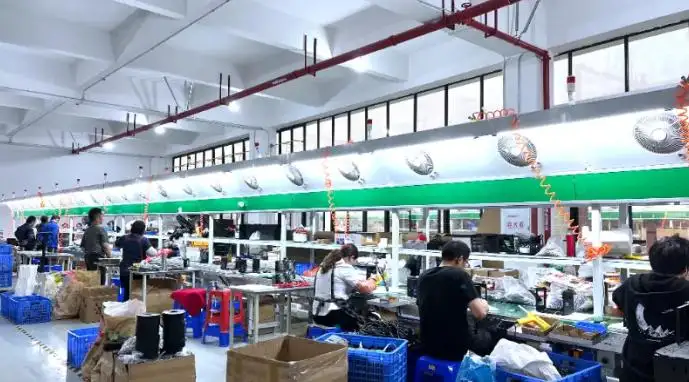
Alloy Pressure Pot technology is not one metal, but a smart material system. At IAIE, we engineer each component from the optimal alloy, with years of manufacturing experience in electric pressure cookers, we have grown from a local factory into a trusted OEM/ODM partner serving Southeast Asia and global markets. In 2026, procurement managers are looking for more than a single material label—they want evidence that material selection drives real performance, safety, and cost efficiency.
Why "Alloy" Means Better Engineering, Not Confusion
Some buyers assume "alloy" means low quality. That is a misunderstanding. Stainless steel is an alloy of iron, chromium, and nickel. Aluminum pots are alloys of aluminum with magnesium or silicon. The real question is: which alloy for which function? IAIE applies a multi-alloy architecture to every electric pressure pot we manufacture.
•Stainless steel alloy (304 grade) for the inner cooking surface: non-reactive, corrosion-resistant, and food-safe.
•Aluminum alloy for the base layer: 40% faster heat conductivity than pure stainless steel alone.
•Enamel alloy coating for the standard inner pot: smooth, stain-resistant, and easy to wipe.
•Structural alloy for the outer housing: lightweight yet rigid, reducing shipping weight without denting.
This is not a compromise. It is material optimization.
Precision Cooking Starts With The Right Alloy Combination
Cooking performance depends on how evenly and quickly heat travels through the pot. A single-material design always has trade-offs. IAIE’s alloy pressure pot uses a bonded multi-layer construction: a stainless steel cooking surface over an aluminum alloy core, wrapped in a durable alloy exterior.
•Heat spreads 40% faster than traditional single-layer pots, which helps to reduce prep time.
•The stainless steel inner surface won’t alter the taste or color of your food, even when cooking acidic dishes like tomato stew.
•Alloy materials won’t warp under high pressure, meaning your cooking surface will always be flat for even cooking.
•Testing shows that alloy materials will lead to less energy consumption when compared to traditional electric pressure cookers.
For brand owners, this means better customer feedback, reduced complaints, and less returns related to uneven cooking.
Expect the 2026 Safety Standards to Demand Traceable Alloy Quality
Of all safety certifications, which are mandatory for any export shipment, IAIE has all alloy materials sourced from certified vendors with mill test certificates. All of our alloy pressure pots include five safety systems that are each independent, with any combination being either stainless steel or aluminum.
•Over pressure relief valve: activates automatically using a machined alloy valve seat for repeated use.
•Anti-dry burn: disables the inner pot heating element when the inner pot is too hot.
•Lid-lock: made of high alloy stainless steel that will not allow the lid to be opened when under pressure.
•Overheat: protects the user and the electronics.
•Corrosion resistant alloys: Passes the 72-hour salt spray test which is required for the tropical Southeast Asian kitchens.
All these features allow our OEM partners to achieve the CE, CB, ROHS, and LFGB certifications with less testing, fewer cycles, and faster than ever.
2026 Design Trends: Non-Breakable Premium Finishes
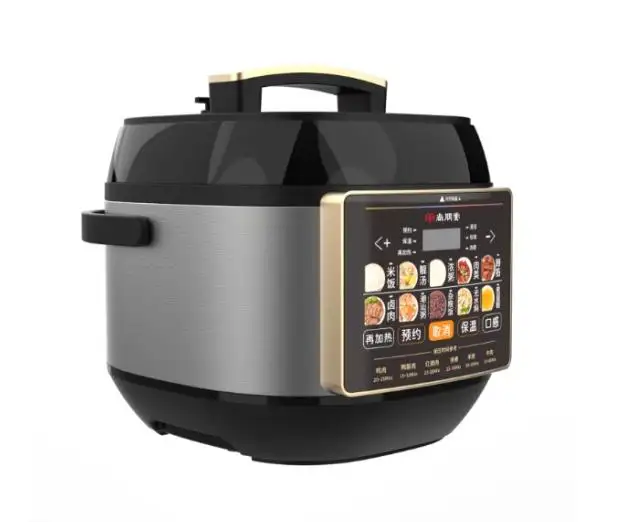
In 2026, buyers of kitchen appliances want high end looks that are also durable. IAIE's alloy pressure pots come in gold, blue, and black finishes, and for private-label, custom color orders. Because of the alloy construction, the finishes are firmly bonded and virtually guaranteed to never peel.
•Bridge handle & side grip design: alloy handles are ergonomic and remain cool, even in use.
•Detachable power cord: enhances user satisfaction by making storage easier and the countertop clutter free.
•Compact 6L and 5L sizes: 5L serves 3 to 6 people for everyday meals, and 6L is convenient for big batch cooking
•Optional thickened stainless steel inner pot: a design that enhances perceived value without requiring extensive product redesign.
According to Grand View Research, the global electric pressure cooker market is expected to be $2.02 billion by 2032. Thoughtful pressure pots made of premium alloys will dominate this expanding market.
Versatile OEM: One System, Various Options in Alloys
IAIE gives you the freedom of not being locked to one material. Our pressure pots allow a modular style construction in alloys, giving the ability to combine what you feel is optimal for your desired market placement and price.
•Standard inner pot: thickened, non-stick enamel alloy (easy to clean)
•Gift set inner pot: lightweight and cost-effective double spray aluminum alloy
•Better: thickened 304 stainless steel alloy (professional-grade and dishwasher safe)
•Packing flexibility: 2 units per carton at 0.55 m³ (with inner pot); freight costs are reduced by up to 18%, compared to bulkier designs.
Over 64% of appliance brands now rely on OEM/ODM partnerships to maintain cost efficiency while scaling product portfolios. IAIE is structured to support that model with lead times as short as 30 days for sample orders.
Ready to Source an Alloy Pressure Pot That Performs?
The question is not "stainless steel or alloy." The right question is: which alloy strategy delivers durability, speed, and safety for your target market? IAIE brings years of hands-on manufacturing experience, a global supply chain, and a clear understanding of 2026’s design and purchasing trends. From specification to shipment, we deliver electric pressure cookers that work better because they are engineered with the right alloy in the right place.
Prefer to solve all your questions together soon? We protect your privacy and respond within 24 hours.
IAIE – Material Intelligence For Modern Kitchens. OEM/ODM Solutions Worldwide.


