





Pressure Cooker for Quick Meals: A Smarter Weeknight Cooking Guide
Short cooking times are not the only criteria for quick meals. Even a recipe that calls for a lot of chopping, several pans or lots of attention can take up a lot of an evening. When the entire work process – from preparation to cooking, serving and cleaning up – is reduced, a pressure cooker comes in handy.
The programs are set, and the ingredients are appropriate, so that rice bowls, soups, stews, pasta dishes, beans, and tender meats can be prepared, allowing users to spend less time being active in the kitchen.
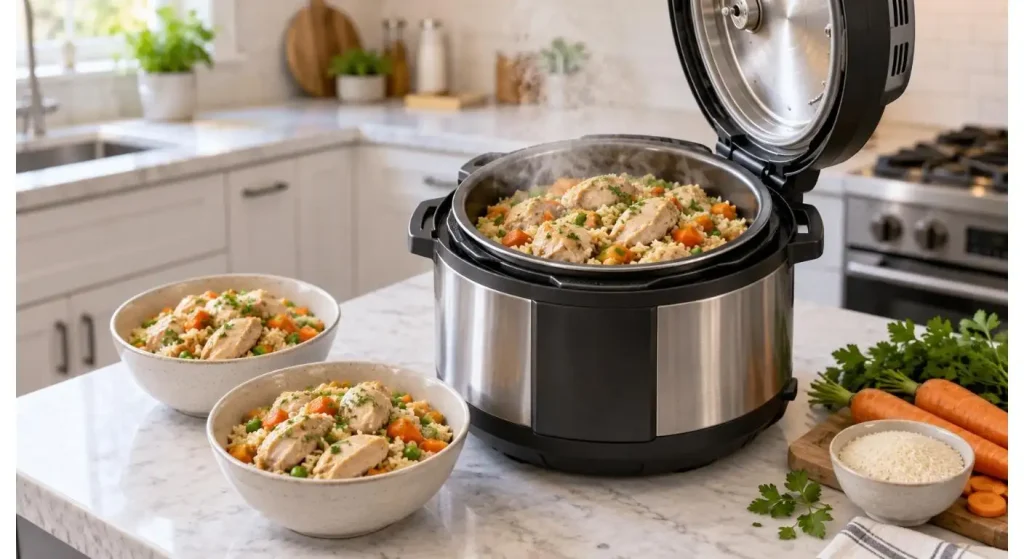
The benefits of using a Pressure Cooker for Weeknight Meals.
The advantage of a pressure cooker is that steam is trapped within the cooking container and the food is cooked at a higher temperature than with the traditional simmering. This is particularly helpful for ingredients that typically take longer to cook, such as beans, tougher cuts of meat, grains and hearty vegetables.
Heat and pressure are also automatically controlled in the electrics. After the ingredients and liquid are inputted, the user can choose a program and do other tasks without having to constantly make adjustments to the stove.
Pressure cooking and using a single pot for cooking are the two best timesavers. The use of the same cookware for pressure cooking and for keeping food warm, reduces the cookware and simplifies cleaning.
Pick Foods that Go Together
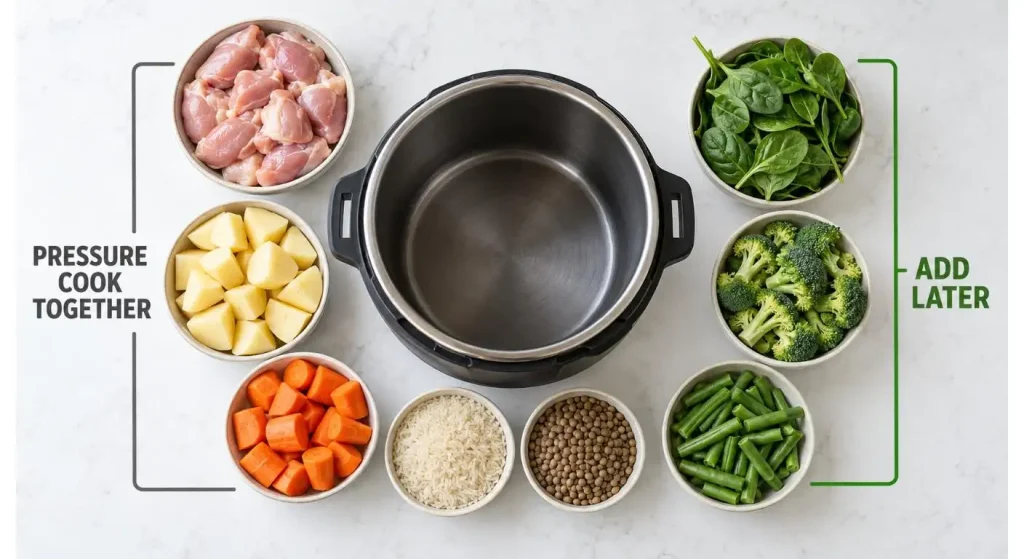
The first step to successful quick meals is to have compatible ingredients that have similar cooking needs. Chicken thighs, potatoes, carrots, rice, lentils, beans, stewing meat will usually pressure cook well.
Delicate vegetables and quick-cooking seafoods typically would be added later, or cooked for a shorter cycle. If not, they might leave their desired texture when thicker elements are still in the process of being cooked.
It is also important to chop ingredients into similar sizes to ensure consistency. Don't use the same timing strategy for large chunks of meat and very small vegetables, unless the smaller ones are part of a sauce that is being thickened with the meat.
Those looking for more meal ideas can check out L4P's electric pressure cooker recipes.
Replace the longest program with the right program.
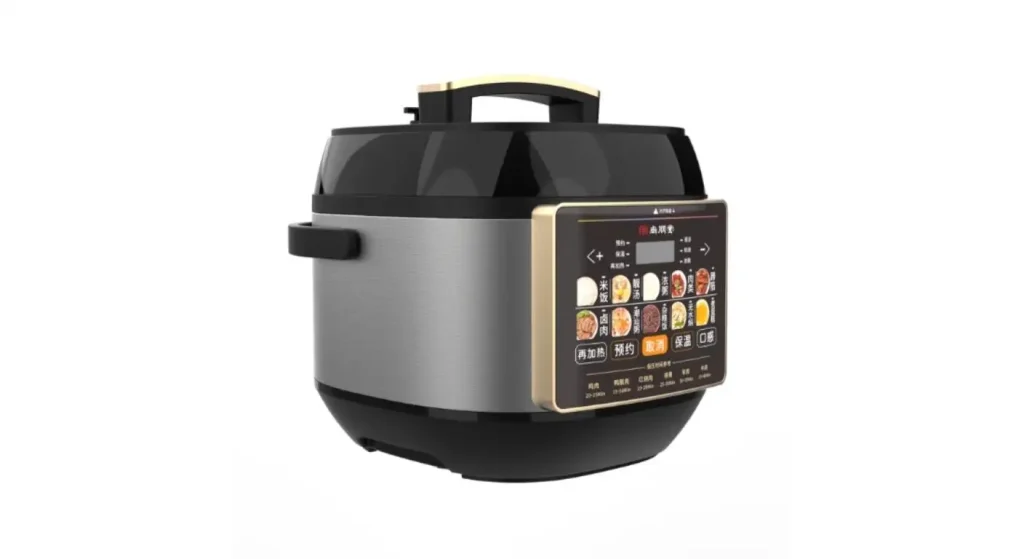
Preset menus make using it easier, but the name of the program has to correspond to the main ingredient and wanted texture. Different Heating, Pressure Holding time and Keep-warm control are used for Rice, Soup, Meat, Beans, Porridge and Steaming modes.
It doesn't necessarily take longer to make a better meal. Vegetables can be mushy if they're cooked too long, rice can end up too watery and lean meat can get too watery.
Smart pressure cookers with presets are easier for people who need to make more than one pressure cooked meal during a week, since they don't have to set up the pressure cooker for each meal.
Count the complete meal time (15-30 minutes)
Pressure cooker recipes may just show the amount of pressure cooking time. Also the actual dinner time will include time to prepare ingredients, preheat, build up pressure, release pressure, and any final thickening and seasoning.
A “10-minute” pressure cycle can thus take a lot longer. The user should select the recipes according to the total time of the kitchen to table time and not only the programmed countdown.
Active prep time can be reduced with pre-cut vegetables, portioned meat, frozen stock and prepared mixtures of seasonings. But frozen foodstuffs may lengthen the time it takes for the cooker to come to pressure.
Connect the Pressure Release with the Food
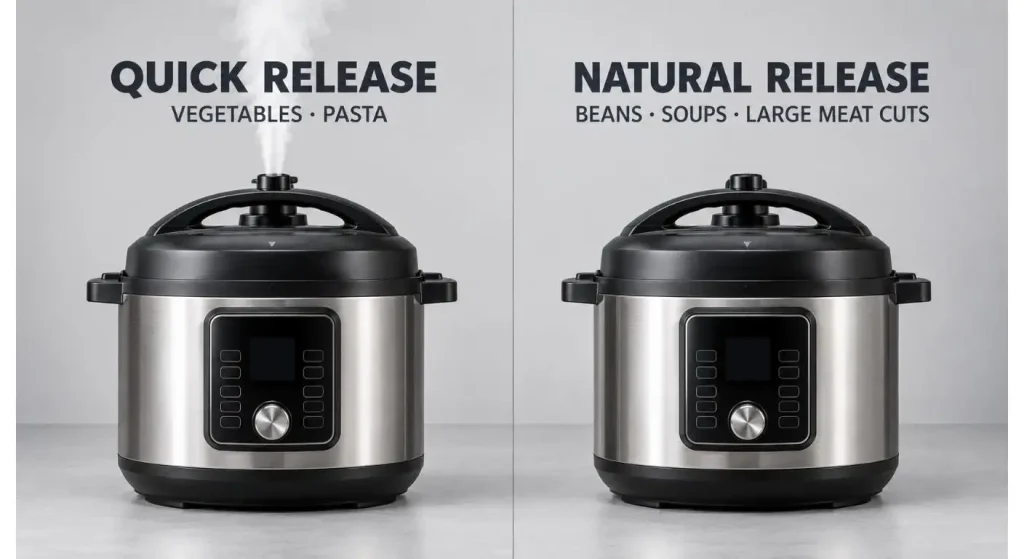
Steam is vented quickly after the end of the program, by means of quick release vents. It can be used with foods that run a risk of becoming overcooked, like many vegetables and some pasta dishes. Users should not put their hands or face near the outlet of the steam and follow the instructions of the appliance.
With natural release, the internal pressure decrease is slow. It can be beneficial for beans, soups and large pieces of meat as it will allow more resting time and less sudden movement of liquids.
A natural release with some venting is a reasonable compromise for many weeknight dinners. Don't use force to open lid while cooker is still under pressure.
Create an Effective 'Repeatable Quick-Meal System'
Avoid preparing an entirely new recipe each night; plan meals around a number of basic recipes. This could be seasoned rice, cooked beans, shredded meat, vegetable soup or a plain stew.
Then one batch can be turned into a number of meals. On the first evening, shredded chicken can be mixed with rice, and used for wraps or soup later. Cooked beans can be used as the main dish, side dish or filling.
This can be achieved with a multifunctional pressure cooker which offers the pressure cooking, steaming, slow cooking, rice cooking and keep-warm features in a single unit.
| Meal Base | Add Before Cooking | Finish After Release | Next-Meal Use |
| Seasoned rice | Rice, stock, firm vegetables | Herbs or cooked protein | Fried rice or grain bowl |
| Shredded chicken | Chicken, stock, dry seasoning | Sauce or fresh vegetables | Wraps, tacos, or soup |
| Cooked beans | Soaked beans, water, spices | Salt and acidic ingredients | Chili, salad, or filling |
| Basic vegetable soup | Stock, root vegetables, lentils | Leafy greens or cream | Pasta sauce or blended soup |
| Beef stew | Beef, stock, onions, firm vegetables | Thickener and fresh herbs | Pie filling or rice topping |
Don't Use Shortcuts that Lower the Quality of Cooking.
Never let cooking liquid get too low or it will not be able to create steam. Thick sauces, dairy products and starch based sauce may require layering or to be incorporated after pressure-cooking to prevent scorch.
Do not fill the cooker above the maximum line marked on the cooker. Foods that swell or foam like rice, beans, grains and porridge generally are not as tightly filled.
Users are also recommended to check sealing ring and pressure valve before cooking. If the seal is not properly seated, it will delay the buildup of pressure, and will make a quick meal into a long troubleshooting session. L4P has some more information in the pressure cooker FAQs on how to use, materials and capacities.
When searching for a pressure cooker for quick meals, you should keep the following factors in mind:
Select a size that fits in with normal, NOT occasional, meals. If the cooker is too small, it makes it tempting to overfill it and too large, it can be difficult to find room for it, or you may need to prepare larger meals which increases your cooking time.
Convenient features include clearly-labeled presets, programmable cooking time, delay start, automatic keep-warm, a pressure indicator that can be seen from the outside, and controlled steam release. The removable inner pot and easy-to-reach sealing parts result in less clean up time as well.
The more programs a pressure cooker offers, the less useful it is. It is the model which makes it predictable and easy to repeat the frequently made meals.
Conclusion
The most time can be saved with a pressure cooker that allows for complete cooking of meals. Ingredients that work together, timing, pressure release and preparation are just as important as the pressure process.
One system can prepare a different meal each night for the week, and lessens the need for supervision, cookware and clean up.
FAQ
Q1. Which foods can be quick cooked in a pressure cooker?
Rice bowls, lentils, soups, pasta, chicken, stews and steamed vegetables are good choices. To get the best texture, choose ingredients that can be cooked at the same time.
Q2. Is everything cookable with a pressure cooker?
No. When pressure build-up and release is added to the very quick foods in the stovetop, it may not benefit. Pressure cooking is the most beneficial for one pot foods and foods that take a long time to cook.
Q3. Is it okay to cook meat in an electric pressure cooker if it is frozen?
The pressure build up will be longer for many models that will cook appropriate frozen meat. No part of the pieces should be frozen in one solid block and the internal temperature should be checked.
Q4. What about quick meals – is natural pressure release or quick pressure release the better option?
This is dependent on the food item. Quick release is good for preventing over-cooking of fragile ingredients, and natural release is good for beans, soups and large chunks of meat.
Q5. Is it possible to add dairy prior to pressure cooking?
Some cheese based sauces, milk and cream may separate and/or scorch under pressure. Add after depressurizing unless specified in the recipe or by the manufacturer.


