





A Practical Guide to Healthy Electric Pressure Cooker Meals
Beans, whole grains, soups, lean proteins and stews are also foods that can be easier to prepare on a busy day with an electric pressure cooker. It cuts down on the amount of time spent active cooking and enables multiple ingredients to be cooked in a single pot.
But, pressure cooking isn't necessarily healthy food. It is possible to have too much salt, added fat or refined carbohydrates in a dish. It depends on the ingredients, amount and seasoning.
It's better to think of the cooker as a tool for making meals. Use vegetables as the first line, followed by an appropriate amount of protein and whole-food carbohydrate, and then the amount of liquid, seasoning and cooking time.
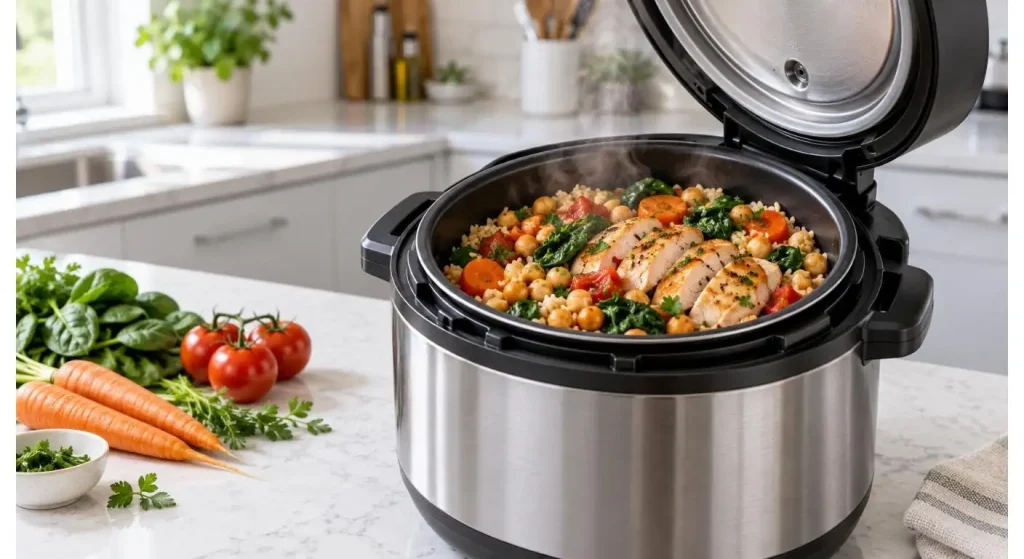
Develop meal before choosing the program.
Meals in a pressure cooker should have more than one main ingredient. Determine the whole meal before choosing the cooking function.
Vegetables provide color, texture and variety. Protein can be provided from beans, lentils, fish, chicken, eggs or lean meat. Brown rice, oats, barley, potatoes and other not highly processed carbohydrates can add more satisfaction to the meal.
Some foods do not require all parts to be cooked together. Delicate vegetables, or fresh herbs may be better added after pressure cooking to maintain their texture and color.
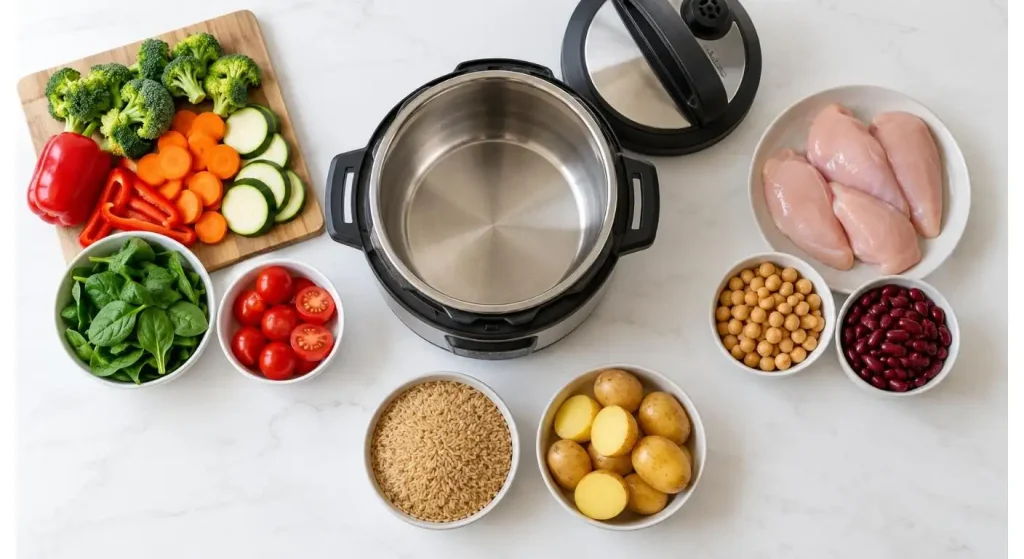
A Flexible One-Pot Formula will be used.
A formula that can be repeated makes it easier to plan healthy meals than to have a totally new recipe each day! Start with aromatic vegetables (onion, garlic, ginger or herbs). Add protein, vegetables, measured carbohydrate and sufficient liquid to allow for safe pressure cooking.
Seasoning can be varied to make different regional flavours. Tomatoes and herbs add a Mediterranean flair to any dish, and ginger, garlic and light soy seasoning are great for many Asian recipes. The basic approach can be used to produce a variety of profiles, such as cumin, beans and peppers.
A multi-functional electric pressure cooker is able to perform rice, soup, porridge, stew and various other functions, and the formula can be adjusted without having to use multiple appliances.
Pick the right Ingredients for the Pressure Cooker
Pressure cooking is particularly convenient for those ingredients that would otherwise take longer to prepare. Dried beans, chickpeas, lentils and tougher lean meat and some whole grain may be easier to add to regular meals.
Root vegetables will also work well but will depend on the size for the cooking times. By cutting vegetables, potatoes, carrots, etc. into uniform sizes, they can be done at the same time.
Leafy greens, peas, zucchini and fresh herbs have a short cooking time. Add them after the main pressure cycle, or use a small finishing stage so as not to get a too soft texture.
Cook and bake oil without flavor loss.
When it comes to cooking, healthy doesn't mean no fat, but rather measured fat, and that means no pouring from the fat bottle. Little can be used to sauté aromatics prior to adding liquid.
Another source of flavor is garlic, ginger, onions, herbs and spices, mushrooms, citrus and vinegar. These ingredients will help you add depth without the use of butter, cream or thick sauces.
Trim off any extra fat before pressure cooking the meat. Serve broth after it has had a fat layer removed from the top; if the resulting broth is still too fat, let it cool and remove the fat.
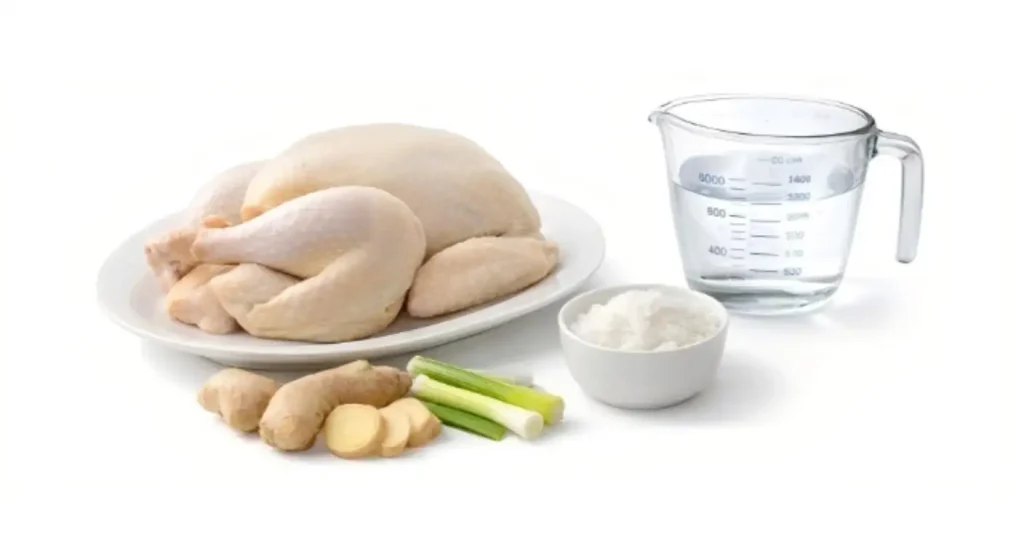
Limit salt, and use and make healthy sauces.
Meat, stock cubes, or packaged broths, and soy sauce and bottled cooking sauces, may add a high amount of sodium to a food. When multiple are used in combination, it can be hard to balance the seasoning.
When possible use unsalted or low sodium liquid. Incorporate flavorful sauces in small amounts and taste and season after cooking. Since pressure cooking traps flavors within the pressure cooker, you may not need to salt any more.
Brighten the meal with fresh herbs, or lemon juice or vinegar that is added at the end won't increase sodium.
Match the ingredients according to the amount of time they will need to cook.
The one pot method is ideal for food that requires similar conditions to be cooked. Lentils and small vegetable pieces don't require as long a pressure cooking time as large cuts of meat do.
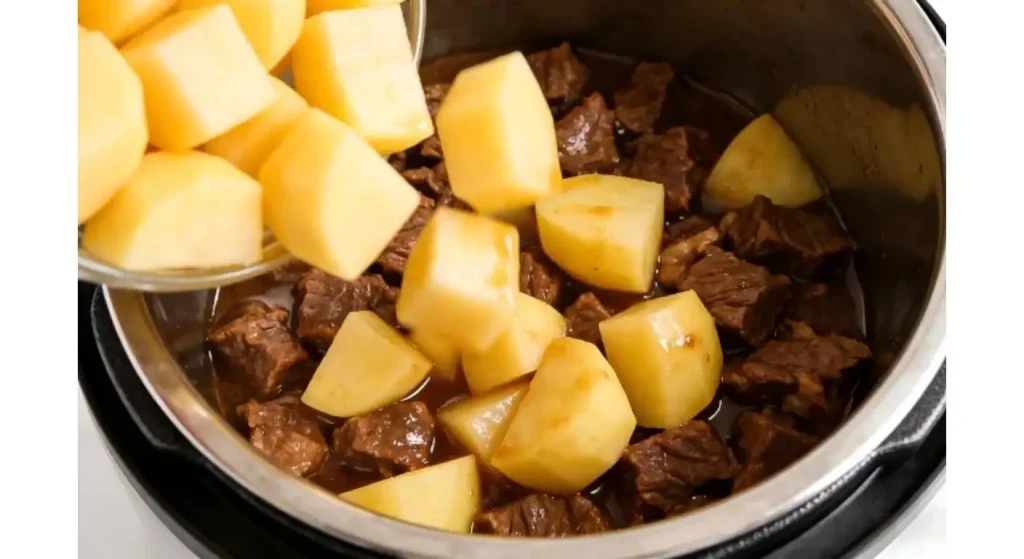
Use staged cooking for meals that include foods that take varying amounts of time to cook. Cook the longest ingredient first, safely let off pressure and then add the ingredients which need more time.
This is the approach in L4P Tech's electric pressure cooker recipes: Potatoes are added after the first of the beef-cooking cycles, instead of being cooked the whole time.
The use of the correct amount of liquid.
To get a pressure cooker to create steam and build pressure, an electric pressure cooker requires enough liquid. The amount of fluid can be too little or too much, either of which can interfere with proper function or cause the food to become too thin and tasteless.
The whole grain to dried legume ratios should be carefully monitored because they absorb liquids. Tomatoes and vegetables also exude moisture while being cooked, and should be taken into consideration when calculating the total liquid.
Always use the minimum liquid and filling instructions provided with the appliance. Foods that swell or foam, should not exceed the recommended fill level.
Use Turn One Cooking Cycle to Prep Meals!
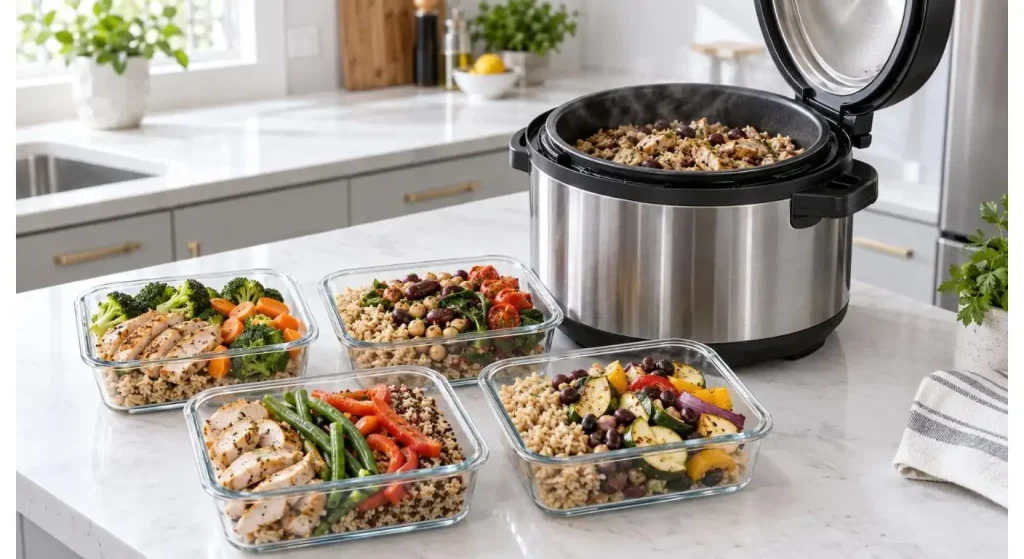
If the cooking cycle is larger, then it can yield multiple meals, and it doesn't need the same meal to be eaten several times. Prepare a plain base of grains, beans, vegetables or lean protein, and then vary the other components or ingredients when serving.
Cooked chicken and grains can be served as a warm bowl of veggies, soup and extra broth, filling in wraps… Separate sauces and other fine garnishes until reheating.
For most families, a 4–5L electric pressure cooker will be sufficient for their daily meals, whereas a 6–8L unit will allow them to cook their dishes in bulk.
Look at the Meal After Cooking
Testing taste and texture should be done prior to serving. If vegetables are too soft, sprinkle them in later in the subsequent cooking cycle. If grains are still solid, check on the liquid ratio and soaking and cooking times.
Don't just judge a last meal based on taste, but consider its vegetarian and protein content. Portion the food rather than directly from a large inner pot.
Pressure cooking will help make a healthy diet more easily accessible. It is not meant to be a substitute for variety, appropriate portions or personal nutrition advice.
Conclusion
The key to healthy meals with an electric pressure cooker is to choose your ingredients carefully, and not the "healthy" button. Mix vegetables, protein and appropriate carbohydrates and limit oil, sodium and servings.
Match ingredients by cooking time, use staged cooking when necessary and record successful liquid ratios. If a good technique is found, the cooker can serve as a convenient way of making home cooking and weekly meal preparation a lot easier.
FAQ
Q1. Cooking in an electric pressure cooker is safe?
It can be healthy if the recipe contains well-balanced ingredients and amounts of oil, salt and processed sauces. Note: The nutritional quality is not related to the appliance only.
Q2. What are healthy foods that can be used in a pressure cooker?
Beans, lentils, whole grains, soups, root vegetables and lean proteins are good options. So sensitive vegetables should generally be added towards the end.
Q3. Is it possible to cook vegetables and meat at the same time?
Yes, if their times of cooking match. If not, then cook the meat first and then add vegetables which cook more quickly in a shorter second stage.
Q4. Is it possible to prepare meals with an electric pressure cooker?
Yes. Can be used to prepare a larger batch of grain, legumes, soups and proteins to be portioned and paired with various vegetables or sauces.
Q5. What are ways to keep pressure-cooked food from being too salty?
Cook with liquid (unsalted) and check the seasoning after cooking (prepared sauces). Additional flavor can be provided with herbs, spices, citrus and vinegar.


