





Choosing the Right Functions for an Electric Pressure Cooker
A multifunctional electric pressure cooker may be a combination of pressure cooking, rice cooking, steaming, stewing and slow cooking and keep-warm features. But a large function list doesn't necessarily constitute a competitive product.
The actual problem for importers and private label brands is determining which functions that their customers will use on a regular basis. Each extra program impacts the control interface, the software logic, testing needs, user manual and cost of the product.
That doesn't necessarily mean that the most successful specification is the one with the most buttons, though. It is the one that makes local, relevant recipes into easy-to-follow programs for cooking.
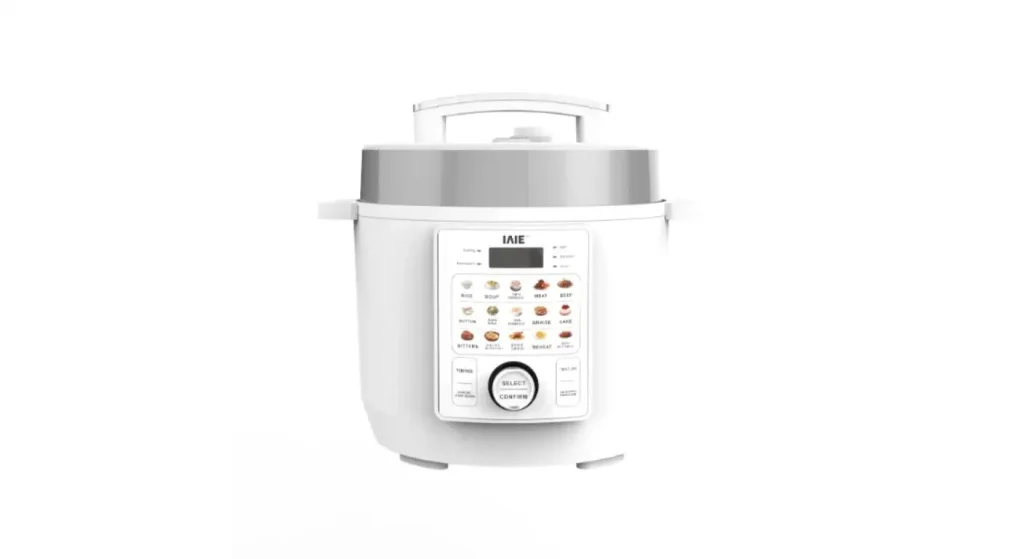
Explain the meaning of Multifunctional, with regard to the product
The term “multifunctional” can be used to refer to a number of product strategies. One model might offer several pressure-cooking times and another might also offer pressure cooking with steaming, slow cooking or open-lid heating or scheduled cooking.
The buying guide suggests that the buyer should split the necessary functions into 3 categories: essential cooking functions, convenient functions and market-specific programs. Rice, soup and meat could be the main menu, and convenience is enhanced with delay start and automatic keep-warm. For specific markets, this could be currys, beans or clay pot rice.
This definition should be completed prior to choosing a model or making artwork for the control-panel. The first step for buyers is to see the multifunctional pressure cooker configuration for them to use as a product-development reference.
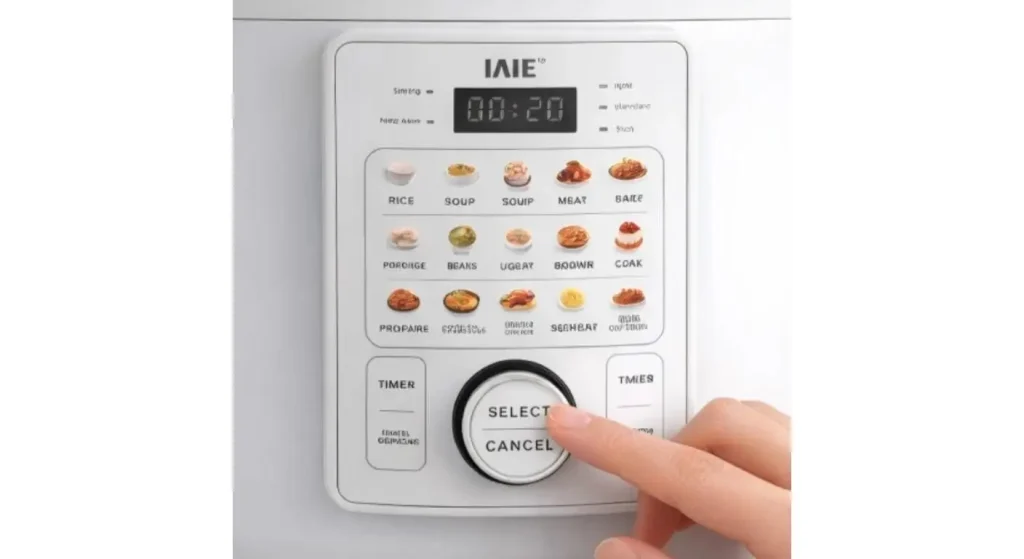
To support the Menu with local cooking habits.
Cooking programs should relate to the dishes which are familiar to customers. A "12-in-1" is a generic statement that is useful only if six of the twelve programs are seldom viewed in the destination market.
In markets where rice is the primary product, rice, porridge, clay pot rice and keep-warm capacity can be a more important consideration for buyers. Longer pressure-holding stages may be needed in markets that have a high bean and meat preparation frequency. Expect cake, steam and adjustable-time programs for families that use the appliance for baking or steaming.
Recipe testing should be done in the local area, as the hardness of the ingredients, food amounts and textural preferences vary according to region. Presets should be true tested cooking processes and not just take up space on the panel with a preset name.
| Target Market Pattern | Priority Programs | Useful Convenience Feature | Program Validation Focus |
| Rice-based family meals | Rice, porridge, steam | Automatic keep warm | Grain texture and moisture |
| Meat and bean cooking | Meat, beans, stew | Adjustable pressure time | Tenderness and cycle duration |
| Fast urban cooking | Quick cook, soup, rice | Delay start | Interface simplicity |
| Mixed international menu | Rice, slow cook, steam, cake | Custom time setting | Program differentiation |
| Large family meals | Soup, stew, poultry | Memory and reservation | Full-load consistency |
Unlock True Cooking Functions from Presets
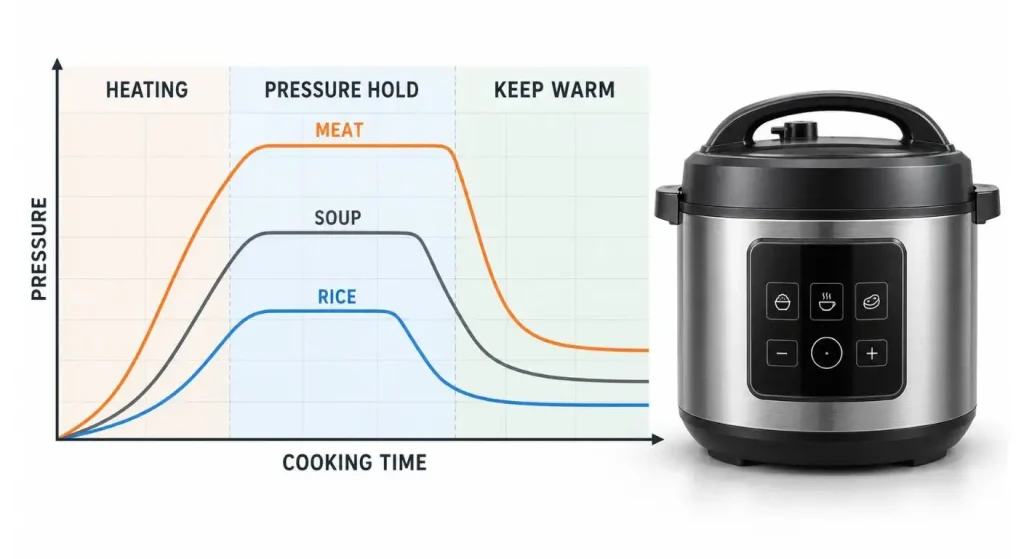
There are several buttons that might have identical pressure, temperature and only slight differences in cooking time. While this isn't necessarily a problem, it is important for buyers to know the differences between the various programs.
Request from the supplier the principal stages of cooking for each program: Heating, pressure build up, pressure holding, pressure release and keep warm. Delicate foods need to be programmed differently from beans and tough meat.
A smart pressure cooker with 12 pre-programmed settings can be a good starting point, but even so, the menu needs to be analyzed based on the recipes desired and a brand's positioning.
Use the Control Panel to Make it Easy to Understand
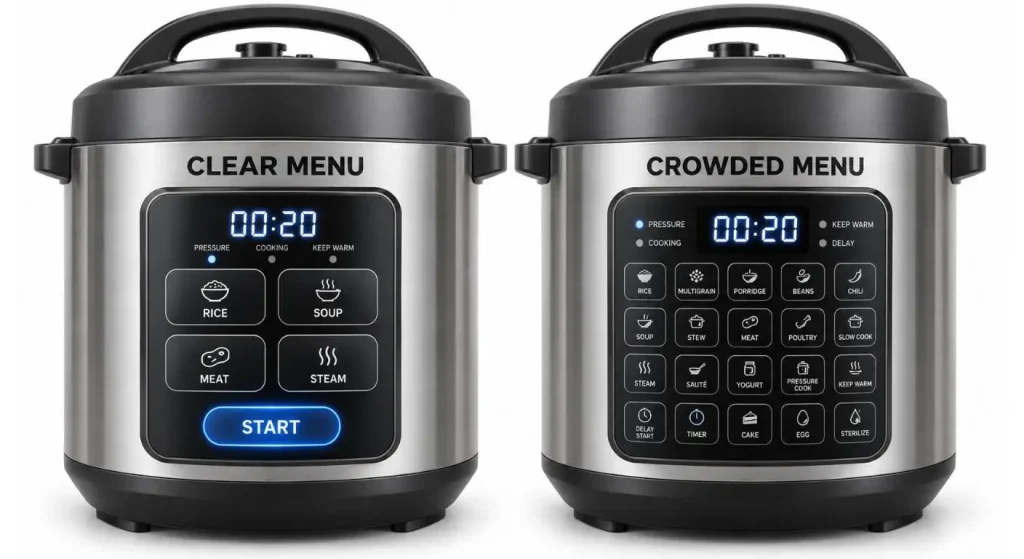
Without organizing, adding functions may make it hard to work the appliance. Users should be able to find a program easily, and know what is selected, without repeatedly referring to the manual, before they can get started with cooking.
Functions can be categorized by food type, cooking method or by how often the food is used. The most popular programs should be the most visually prominent. Time, pressure or menu controls may be used for less common adjustments.
The names of the buttons, icons, display size, contrast and language are all things that should be checked on a physical sample. When buyers are aiming for markets in different languages, they should find out if the display and printed panel/user instructions can be localized via the manufacturer's OEM/ODM service.
Determine What Users actually require to be adjusted
While automatic presets make operation easier, customers also want to be able to set a cooking time, pressure, delay start and keep-warm times. These changes should make it easier to use while not creating a tedious set-up for cooking.
Think about the conditions that could be varied prior to cook start and those that can vary during cook time. The program selected, the remaining time and the current state of operation in the control system should be easily discernible.
For multiple settings to be displayed, a large or well-organized display might be appropriate. This will allow buyers to compare with a large display pressure cooker to determine the information that the interface should provide.
Design an experiment to evaluate Function as a Complete System.
Each preset should take a written recipe which details the weight of ingredients, amount of water, how the ingredients are prepared and what should be expected. A button is a button, so getting it to turn on is not a cooking-performance test.
Note the time needed to achieve the pressure, the amount of time that the pressure was held, the total cycle time, the ending texture and the keep-warm condition. Try test with varying fill levels to see if program is consistent.
There is also a need for validation of convenience functions. Check out delay start, automatic keep warm, manual time change, program cancel and memory after a short power loss.
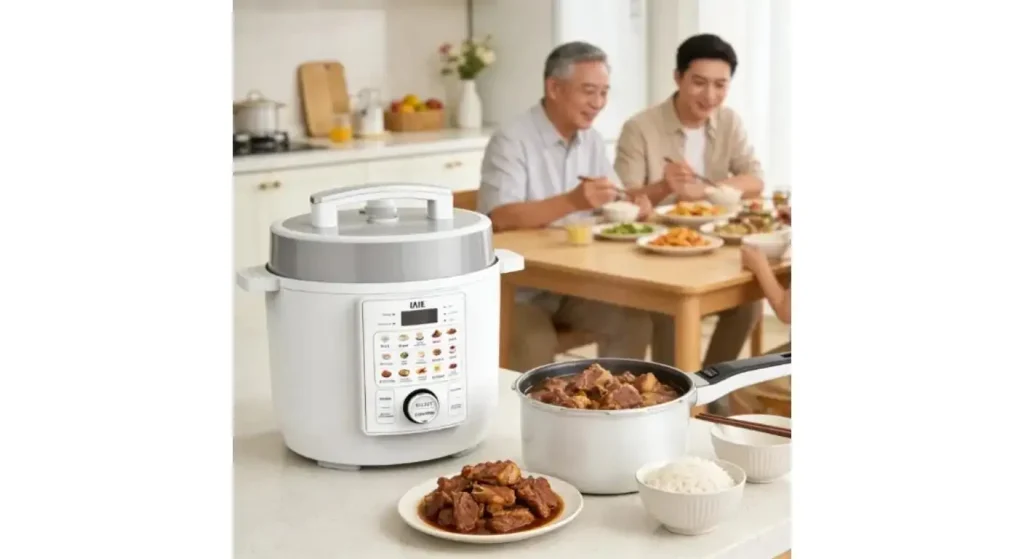
Prevent Feature Overload
There are more programs that can be used to enhance product listings on the web, but there are also extra programming, translation and user confusion. Functions that are hard to explain and/or demonstrate may not produce fruit in terms of value creation in the retail sector.
Menu size should be determined by retail price/sales channel. A simple wholesale model could be based on several essential programs that can be relied on, and a premium e-commerce product could allow for more changes and a more detailed display.
Product teams need to assess all suggested functions and determine if customers can understand it, if they use it, and if they perceive a value for it that is worth the price.
Safety Across Every Cooking Mode is an option that you can select.
Multifunctional cooker is designed to function at various pressure, temperature and time combinations. Safety validation, therefore, should be for all major cooking modes and not necessarily for one standard pressure cooker cycle.
Check lid locking, pressure regulation, overheat protection and steam release. Open-lid heating modes are incompatible with the appliance, and have to be handled by their own operating logic, as the appliance would otherwise operate as if it were on a sealed pressure cycle.
Sealing ring, valve and removable parts should also be easily reached for the purpose of cleaning and proper reassembling. Safety instructions have to be consistent with final control panel and programmed functions.
Complete the OEM Specification.
The final specification contains program names, cooking parameters, adjustable parameters, interface language, capacity, inner-pot, voltage, plug type and safety requirements.
All control-panel art, rating tags, packaging and manuals should match the approved version of the software. Cookers that have been tested must be tested again if program logic changes after the cooker has been approved.
An approved sample and program list should be kept by the buyer for use as a guide for production. With these details in hand they can reach out to L4P Tech with regards to selecting a model and customization.
Conclusion
Unfortunately, a multifunctional electric pressure cooker is only effective if its programs make cooking easier, but not if it's the panel with the most buttons.
Develop functions for local recipes, structure the interface neatly and thoroughly test all programs under repeatable conditions. This makes for a more useful product, and reduces unnecessary development cost and after-sales risk.
FAQ
Q1. What number of functions ought to an electrical strain cooker have?
No one size fits all number of ideas. The right menu contains functions, which customers know and use on a regular basis in the target market.
Q2. Are the pre-programmed cooking programs adjustable?
Yes, the answer is "Depends on the controller and development platform". Target recipes and desired cooking outcomes should be given to buyers prior to finalization of program parameters.
Q3. Does a 12 in 1 cooker really afford more value than an 8 in 1?
Not necessarily. The 8-in-1 model might be more user-friendly and consistent with well-tested programs rather than a model that has several repeated presets.
Q4. Which test(s) should be done during each cooking program?
Test the pressure building time, holding time, total time, food texture and keep-warm ability. Standardized Recipes and Filling Levels should be used for the Tests.
Q5. Is it possible to localize the control panel?
Control-panel words, icons and manuals are typically OEM customizable. Make sure to verify language space, translation accuracy, prior to artwork approval.


